Understanding the Emotional Triggers Behind Separation Anxiety in Pets
What Are the Primary Factors Leading to Separation Anxiety in Pets?

Tackling separation anxiety in pets is crucial for their emotional well-being, often originating from a range of emotional triggers. These triggers are usually linked to sudden alterations in their routine, such as moving to a new home, changes in the family structure, or the loss of a cherished companion. By delving into these underlying issues and observing how they manifest in behaviour, pet owners can cultivate an environment that prioritises emotional health and stability. This proactive strategy empowers owners to effectively tackle the behavioural challenges faced by pets worldwide, fostering a nurturing atmosphere where beloved companions can flourish.
Moreover, unpredictable schedules of pet owners can instil feelings of insecurity in pets regarding their humans' return. Acknowledging how these dynamics contribute to anxiety can significantly enhance the management of pets' emotional states. Establishing consistent routines can provide pets with a sense of security, allowing them to anticipate their owner's return and alleviating fears associated with prolonged solitude.
How Can You Identify the Emotional Effects of Separation Anxiety in Pets?
The emotional repercussions of separation anxiety can be recognised through various behaviours, including clinginess, restlessness, and physical signs of distress such as panting or pacing. When pets feel isolated, they frequently seek constant companionship, closely following their owners throughout the home. This clinginess serves as a clear indicator of their struggles with feelings of insecurity and fear. By identifying these emotional challenges, pet owners can nurture empathy and take meaningful actions to create a supportive atmosphere that promotes overall well-being and mental health.
In addition, gaining insight into the emotional spectrum of pets facilitates more compassionate interactions. Proactive care stemming from this awareness includes ensuring pets have ample mental stimulation and access to comforting items, such as their favourite toys or blankets. By fostering an environment that addresses their emotional needs, owners can substantially alleviate the distress associated with separation anxiety, thereby improving their pets' overall quality of life and emotional health.
What Effective Strategies Can You Employ to Prevent Separation Anxiety in Pets?
Preventing separation anxiety in pets can be accomplished through consistent daily routines and structured activities. Here are several essential strategies that can be universally applied to support pets and enhance their emotional resilience:
- Gradual Alone Time: Start with brief periods of solitude for your pet, gradually increasing the duration to help build their confidence.
- Enrichment Toys: Offer stimulating toys, such as puzzle feeders or interactive games, to keep them mentally engaged.
- Scheduled Playtime: Allocate specific times for engaging play, giving pets something enjoyable to anticipate throughout the day.
- Positive Reinforcement: Utilise treats and praise to reward calm behaviour during separations, fostering your pet's confidence.
- Training Sessions: Consistent training promotes security and confidence in pets, contributing to their emotional stability.
- Safe Spaces: Create a cosy, designated area where pets can retreat and feel secure when left alone.
- Socialisation: Introduce pets to diverse environments and other animals to mitigate anxiety associated with change.
- Calming Products: Explore options like pheromone diffusers or calming music specifically designed for pets.
By incorporating these strategies into daily routines, pet owners can cultivate a profound sense of security in their pets, ensuring they feel loved and less anxious during separations, which ultimately enhances their emotional health.
Identifying the Key Signs and Symptoms of Separation Anxiety in Pets
How Do Pets Show Distress When Alone?
Pets frequently reveal distinct signs of distress when left alone, indicating unmet emotional and physical needs. Common indicators include excessive barking, whining, or howling, which not only disrupt the tranquillity for pet owners but can also disturb neighbours. Additionally, destructive behaviours, such as chewing furniture or scratching at doors, indicate that a pet is struggling to cope with its anxiety. Early recognition of these signs is crucial, as it empowers owners to intervene promptly, significantly enhancing their pets’ comfort across various environments.
Furthermore, pets may exhibit physical signs of discomfort, such as pacing, drooling, or attempts to escape. These behaviours suggest that the pet is experiencing heightened stress and requires immediate support. Understanding these manifestations allows pet owners to take swift action, reinforcing the need for a nurturing environment where pets feel safe and secure, even within their own homes.
What Effects Do Behavioural Changes Have on Anxiety Levels in Pets?
Behavioural changes, such as altered eating patterns, increased clinginess, or restlessness, can indicate underlying anxiety in pets. Pets that suddenly refuse to eat or become excessively vocal may be attempting to communicate their discomfort. Observing these subtle shifts in behaviour is essential for maintaining the health and well-being of pets. A sudden change may signify that a pet feels overwhelmed or insecure in its environment. This understanding empowers owners to respond appropriately, fostering stability and aiding pets in regaining their confidence.
Moreover, consistently monitoring behavioural changes over time can be instrumental in identifying anxiety patterns. By documenting these behaviours, pet owners can evaluate the effectiveness of their strategies and make necessary adjustments. This proactive approach nurtures deep trust and authority within the owner-pet relationship, ultimately leading to a more emotionally balanced pet.
How Can You Monitor Long-Term Patterns of Anxiety in Pets?
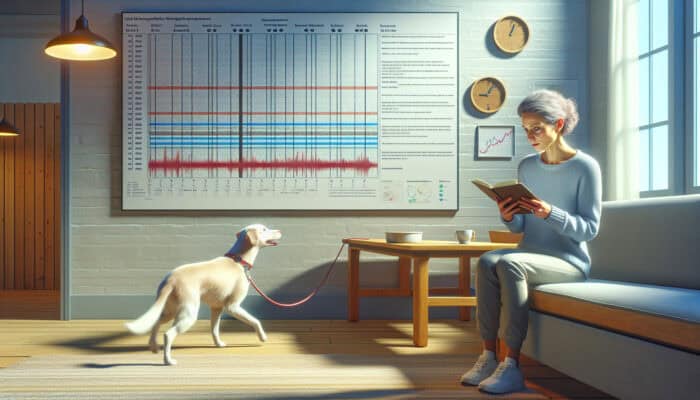
Monitoring long-term patterns of anxiety in pets is vital for developing effective care routines. Keeping a comprehensive diary of behaviours over time not only aids in identifying triggers but also helps in recognising improvements or escalations in anxiety. Regular observation allows pet owners to deepen their understanding of their pets, enabling them to respond with appropriate interventions. This ensures that pets maintain emotional balance and security, underscoring the importance of continuous support.
Moreover, establishing routine check-ins, whether through daily reflections or weekly assessments, can yield valuable insights into a pet’s emotional health. By tracking interactions and behaviours, owners can refine their strategies and adapt to their pet's evolving needs. This commitment to understanding and nurturing their pets’ emotional well-being not only enhances the quality of life for the animals but also strengthens the bond between pet and owner.
What Elements Contribute to the Onset of Separation Anxiety in Pets?
What Factors Lead to the Development of Separation Anxiety in Pets?
The onset of separation anxiety in pets can arise from a variety of factors, frequently associated with early experiences or insufficient socialisation. For instance, pets adopted from shelters or those that have not undergone adequate socialisation during their formative years may develop anxiety due to unfamiliar environments. This underscores the critical importance of early intervention and socialisation in fostering resilience. Introducing coping mechanisms from an early age can build confidence and diminish fear responses, aiding in the prevention of anxiety disorders.
Additionally, significant life changes, such as relocating to a new home, alterations in family dynamics, or the loss of a companion, can exacerbate anxiety in pets. These factors can create instability in a pet's life, leading to intensified fear and anxiety when left alone. Understanding these triggers is essential for pet owners to implement effective strategies that promote emotional stability and resilience, ensuring their pets feel cherished and secure.
How Can You Effectively Detect Early Signs of Anxiety in Pets?
Recognising early signs of anxiety in pets is crucial for effective management. Subtle indicators, such as whining, excessive grooming, or sudden behavioural changes, can suggest that a pet is in distress. Noticing these signs early enables pet owners to implement preventive routines, such as gradually increasing alone time, to help avert the escalation of anxiety. Early management through proactive engagement fosters a sense of safety and comfort for pets, ultimately enhancing their emotional well-being.
Furthermore, creating a structured environment where pets can thrive and feel secure is vital. This includes establishing daily routines that incorporate playtime, training, and relaxation. By observing and responding to early signs of distress, pet owners can ensure their pets possess the tools they need to cope with separation, supporting a healthier emotional state.
How Can You Foster Resilience Through Daily Interactions with Pets?
Fostering resilience in pets through daily interactions is essential for supporting their emotional health. Engaging in positive activities strengthens the bond between pet and owner, allowing pets to feel more secure and confident in their surroundings. Regular play sessions, training exercises, and social interactions enhance pets' adaptability to their environment. These interactions provide pets with opportunities to practise coping skills, enabling them to manage separations with greater ease and reducing the likelihood of anxiety-related behaviours.
Moreover, incorporating structured routines that encourage independence can significantly improve a pet’s ability to cope with anxiety. For instance, promoting time spent in designated safe areas while gradually increasing the duration of separation can bolster their comfort. This process helps pets develop emotional strength, reducing their fear of being alone and fostering a more balanced relationship with their owners.
What Influence Do Owner Behaviours Have on the Development of Separation Anxiety?
The behaviours of pet owners significantly impact the development of separation anxiety in pets. Inconsistent schedules, excessive attention during departures, or inadequate training can elevate anxiety levels. For example, if an owner frequently alters their routine without sufficiently preparing the pet, it can lead to feelings of insecurity. Adopting balanced interactions, such as avoiding excessive fuss when leaving or returning, helps pets comprehend that separations are a normal aspect of life.
Additionally, providing gradual alone-time training, where pets are slowly accustomed to being alone, can markedly enhance their emotional resilience. Implementing structured routines that incorporate positive reinforcement for calm behaviour during separations helps pets foster a sense of security. This systematic approach nurtures emotional stability in pets and cultivates a healthier owner-pet relationship over time.
Expert Insights for Effectively Managing Separation Anxiety in Pets
What Actionable Steps Can You Implement to Ease Pet Distress?
Managing pet distress requires various actionable steps grounded in expert analysis. One highly effective technique involves controlled separations, wherein owners gradually increase the duration pets are left alone to foster tolerance. For example, initiating with just a few minutes and progressively extending the time can assist pets in becoming accustomed to solitude. This gradual exposure is critical for owners to apply strategies effectively and can substantially mitigate anxiety over time, leading to a more stable emotional state in pets.
Furthermore, creating a positive environment filled with comforting items, such as familiar toys or blankets, can enhance a pet's sense of security. Incorporating enrichment activities during alone time, such as puzzle toys or treat-dispensing devices, keeps pets engaged and reinforces their ability to cope with separation. Real-world examples demonstrate that consistent application of these strategies can lead to notable improvements in a pet's emotional health and overall behaviour.
What Advanced Behavioural Techniques Can Assist in Managing Separation Anxiety?
Experts advocate for advanced behavioural techniques, such as desensitisation and counter-conditioning, to effectively manage separation anxiety in pets. Desensitisation entails gradually exposing pets to the situations that trigger their anxiety in a controlled manner. For instance, owners can practise leaving the house for short intervals while maintaining a calm demeanour, allowing pets to learn that departures are temporary and manageable.
Counter-conditioning complements this process by pairing positive experiences with being left alone. Utilising treats or engaging toys when departing can help pets cultivate a more favourable association with solitude. Integrating these techniques into daily routines fosters a sense of empowerment in pets by assisting them in building coping skills and navigating their emotional responses more effectively, leading to a healthier emotional state.
What Evidence-Based Approaches Can Help Mitigate Anxiety in Pets?
Research-supported approaches, such as positive reinforcement, can significantly reduce anxiety in pets. This method empowers owners with proven strategies that enhance pet well-being while minimising stress over time. By rewarding calm behaviour during separations with treats, praise, or play, owners reinforce positive associations with being alone. This ultimately builds confidence in pets and promotes a more stable emotional state, contributing to their overall happiness and health.
Additionally, incorporating behavioural training into daily routines ensures pets acquire the skills necessary to cope effectively with anxiety. Participating in training sessions focused on commands and positive interactions can strengthen the bond between pet and owner while promoting emotional health. Over time, these research-supported methods cultivate a sense of security and well-being in pets, enriching their lives and enhancing the owner-pet relationship.
What Advantages Are Associated with Early Intervention for Separation Anxiety?
How Can Prompt Interventions Improve Pet Behaviour?
Timely action to address separation anxiety can dramatically enhance pet behaviour. Early interventions, such as routine adjustments and gradual training, prevent anxiety from escalating and contribute to happier, healthier pets. By proactively addressing the signs of anxiety, owners can foster long-term emotional health and nurture stronger relationships with their pets, ultimately resulting in a more harmonious living environment.
Furthermore, implementing strategies such as structured alone-time training equips pets with the essential tools they need to feel comfortable during separations. This proactive approach benefits not only the pet's emotional well-being but also enhances the owner's experience, leading to a more serene household. Overall, timely action creates a supportive atmosphere where pets can thrive and feel secure in their day-to-day lives.
What Are the Benefits of Consistent Training Methods?
Consistent training methods are crucial for minimising the effects of isolation on pets, fostering independence, and enhancing emotional well-being. Regular exercise and mental stimulation through training can alleviate distress associated with separation, helping pets feel more confident when alone. Owners benefit from a more relaxed pet environment, as well-trained pets are better equipped to handle separations without resorting to destructive behaviours.
Moreover, establishing a routine that integrates training sessions and play can create a sense of normalcy for pets. This predictability promotes emotional stability, helping pets understand their role within the household. As owners commit to these consistent practices, they cultivate trust and security, enabling their pets to remain calm and content even in their absence, ultimately contributing to a healthier living environment for both pets and owners.
How Can You Evaluate Progress in Anxiety Management for Pets?
Evaluating progress in anxiety management is vital for refining strategies that ensure pets thrive emotionally. Assessing improvements through straightforward monitoring tools, such as journals or behaviour-tracking apps, assists owners in identifying positive changes in their pets' responses to separation. Regular evaluations enable pet owners to adjust their strategies based on what proves most effective for their pets' unique needs, ensuring continuous enhancement in their emotional well-being.
Moreover, celebrating small victories, such as a pet remaining calm during a short absence, reinforces positive behaviour. As owners observe their pets developing coping skills, they can continue to build on these successes, fostering a more secure and balanced emotional state for their pets. Through ongoing assessment and adaptation, owners can create an effective management plan that nurtures their pets' well-being and emotional health.
Proven Techniques for Alleviating Separation Anxiety in Pets
What Essential Strategies Can Create a Comforting Environment for Pets?
Creating a nurturing environment is vital for alleviating anxiety in pets. Providing a safe space filled with toys and familiar items can significantly diminish anxiety, promoting relaxation and emotional stability. Pets flourish in areas where they feel secure, such as a cosy bed or a designated corner filled with their favourite belongings. These components help transform potentially stressful surroundings into spaces that feel safe and welcoming for pets.
Moreover, incorporating soothing sounds or scents, such as calming music or pheromone diffusers, can further enhance a pet's sense of comfort. These straightforward yet effective methods create an atmosphere that alleviates anxiety, allowing pets to relax when left alone. By prioritising a comforting environment, owners can significantly improve their pets' emotional health and overall well-being, resulting in happier, more content companions.
How Can You Effectively Implement Routine Adjustments?
Effectively incorporating routine changes necessitates a thoughtful approach to maintain pet stability and well-being. Gradual adjustments, such as introducing structured playtime or altering feeding schedules, can ease anxiety while ensuring pets adapt smoothly. Owners should pace these shifts, allowing pets time to acclimatise to new routines without feeling overwhelmed or stressed.
Additionally, providing consistency in daily activities fosters familiarity, which is essential for reducing anxiety. For instance, maintaining a regular schedule for walks, meals, and playtime helps pets anticipate their owner's actions, minimising uncertainty and stress. By implementing routine changes in a controlled manner, pet owners can cultivate a stable environment, ensuring their pets feel secure and supported in their daily lives.
How Can You Sustain Long-Term Calmness in Pets?
Maintaining consistent routines is paramount for preserving a pet's calmness and managing anxiety over the long term. Ongoing activities, such as daily exercise, play, and socialisation, keep pets engaged and secure. Regularly incorporating these elements into a pet's life reinforces positive behaviours, creating a balanced emotional state that withstands separation and other stressors.
Moreover, pet owners can introduce additional elements, such as training sessions or puzzle toys, to keep their pets mentally stimulated and engaged. This not only alleviates boredom but also strengthens the bond between pet and owner. By committing to the ongoing maintenance of their pets' emotional health, owners can create an enriching environment that supports their pets' well-being for years to come.
When Is Professional Assistance Necessary for Managing Separation Anxiety?
What Signs Indicate the Need for Expert Support?
Certain persistent symptoms in pets may signal the need for additional professional support. Extreme vocalisation, destructive behaviours, or signs of severe distress when left alone are clear indicators that a pet may require tailored guidance. Recognising these signs early is crucial to ensuring pets receive the support they need to effectively overcome their emotional challenges.
Moreover, if basic management strategies do not yield improvements, seeking professional assistance can provide valuable insights and techniques to better address the pet's specific needs. Professional guidance can enhance the pet's ability to cope with separation, fostering a more harmonious living environment alongside a happier, healthier pet.
What Are the Benefits of Consulting Behavioural Experts?
Consulting behavioural experts offers numerous advantages for managing separation anxiety in pets. Professional input provides customised plans tailored to the pet's unique circumstances, improving the likelihood of successful anxiety resolution. Experts can identify underlying issues that may not be readily apparent to pet owners, ensuring a comprehensive treatment approach that addresses all facets of the pet's emotional health.
Furthermore, behavioural specialists can equip owners with the tools and techniques necessary to manage anxiety effectively. These resources may include training methods, environmental adjustments, and behavioural strategies that empower owners to continuously support their pets. Overall, consulting professionals enhances the pet's recovery journey, fostering emotional health and well-being while strengthening the owner-pet bond.
What Resources Are Available for Owners to Manage Separation Anxiety?
Pet owners seeking to manage separation anxiety effectively can benefit from various resources. Here are some general tools that can assist in comprehensively managing pet anxiety:
- Training Guides: Books and online resources that offer techniques for anxiety management.
- Behavioural Therapy Programs: Professional services aimed at resolving anxiety issues.
- Support Groups: Online or local communities for pet owners facing similar challenges.
- Calming Products: Tools like pheromone diffusers designed to soothe anxious pets.
- Interactive Toys: Engaging toys that keep pets occupied and mentally stimulated.
- Veterinary Consultation: Professional advice regarding dietary or health-related issues impacting anxiety.
- Behaviour Tracking Apps: Tools to monitor and assess behavioural changes over time.
- Educational Webinars: Online sessions hosted by experts discussing anxiety management techniques.
Utilising these resources empowers pet owners to take proactive measures to manage their pets’ anxiety, ensuring comprehensive support for their emotional health and well-being.
How Can You Prepare for a Consultation with Behavioural Experts?
Preparing for a consultation with behavioural experts is crucial for a productive session. Owners should compile detailed notes on their pet's behaviours, including specific triggers and observed patterns. This preparation enables experts to offer precise recommendations tailored to the pet's unique situation, enhancing the effectiveness of the consultation.
Additionally, documenting implemented strategies and their outcomes can provide valuable context for the consultation. This comprehensive approach fosters a more effective treatment plan, ensuring pets receive the targeted support they need to address their separation anxiety. By approaching consultations well-prepared, pet owners increase the likelihood of successful interventions that enhance their pets' emotional well-being.
Maintaining a Healthy Lifestyle for Pets
How Can You Integrate Play and Exercise into Daily Routines?
Incorporating play and exercise into daily routines is essential for alleviating anxiety in pets while promoting their physical health. Engaging pets in regular physical activity not only relieves stress but also fosters emotional stability. Simple activities, such as fetch or tug-of-war, can keep pets engaged and active, positively channelling their energy.
Moreover, including structured walks in daily schedules provides essential exercise and mental stimulation. Varying the route or introducing new environments during walks enhances a pet's social skills and adaptability, further supporting their emotional health. By prioritising play and exercise in daily routines, owners can cultivate a balanced lifestyle that supports pets' physical and emotional well-being, ultimately leading to happier pets.
How Does Nutrition Influence Anxiety Levels in Pets?
Nutrition significantly affects anxiety levels in pets. A balanced diet contributes to overall health, while certain ingredients can influence mood and emotional stability. Providing high-quality, nutritionally balanced meals helps pets manage stress and anxiety effectively, ensuring they have the energy needed for both physical activity and mental engagement.
Additionally, adjusting dietary intake based on a pet's specific needs, such as incorporating calming supplements or reducing sugar intake, can profoundly impact their emotional state. By understanding the connection between diet and anxiety, pet owners can make informed choices that support their pets' well-being and reduce stress.
How Can You Foster Social Interactions for Pets?
Encouraging social interactions for pets is crucial for building confidence and reducing anxiety. Facilitating safe play with other animals helps pets acquire essential social skills, diminishing feelings of isolation and fear. Engaging in group classes or playdates can provide structured opportunities for pets to interact positively with others, reinforcing their emotional strength and adaptability.
Moreover, socialisation experiences should be gradual and positive to ensure pets feel at ease. Exposing pets to new environments, people, and animals helps them adapt to change and reduces anxiety. By prioritising social interactions, pet owners can nurture emotionally resilient pets that navigate various situations with confidence and ease.
Providing Continuous Support for Pet Well-Being
How Can You Establish Lifelong Habits to Prevent Anxiety Relapse?
Establishing lifelong habits that prevent relapse into anxiety is essential for maintaining a pet's emotional health. Consistent routines that incorporate exercise, play, and positive training techniques sustain progress and minimise the likelihood of anxiety resurfacing in the future. Reinforcing these habits fosters a sense of security, ensuring pets remain emotionally balanced and free from anxiety.
Additionally, regular check-ins help owners assess their pets' emotional state and address potential issues promptly. This proactive approach emphasises the importance of adaptability in care strategies, enabling owners to adjust as their pets’ needs evolve. By prioritising lifelong habits of care and stability, owners can create an environment where their pets thrive emotionally, ensuring long-term well-being.
Why Is Owner Awareness and Patience Essential?
Owner awareness and patience are critical components in managing separation anxiety in pets. Understanding a pet’s needs and the underlying triggers of anxiety fosters a nurturing atmosphere, reducing stress through empathetic responses and steady support. Recognising that progress may take time helps owners maintain a calm demeanour, reinforcing a safe environment for their pets during challenging moments.
Moreover, practising patience during training and behavioural adjustments builds trust between the pet and the owner, which is vital for emotional stability. By remaining vigilant and responsive to their pets' needs, owners cultivate a supportive relationship that fosters emotional growth and resilience, ultimately resulting in a happier, healthier companion.
How Can You Conduct a Holistic Evaluation of Overall Pet Health?
Conducting holistic evaluations of overall pet health is vital for preventing anxiety from recurring. Regular check-ins, including visits to the veterinarian, ensure that any physical health issues contributing to anxiety are addressed promptly. Integrating various care elements, such as nutrition, exercise, and mental stimulation, provides a comprehensive approach to pet well-being that supports emotional health.
Furthermore, fostering open communication between owners and veterinarians can enhance the understanding of the pet's unique needs. This collaborative approach ensures that all aspects of a pet's health are considered, leading to more effective management of anxiety and emotional well-being. By prioritising holistic evaluations, owners can sustain their pets' overall health, creating a balanced and supportive environment conducive to emotional well-being.
Frequently Asked Questions
What Is Separation Anxiety in Pets?
Separation anxiety in pets is a behavioural condition characterised by distress when left alone. Pets may exhibit signs such as excessive barking, destructive behaviour, or attempts to escape, indicating their emotional struggle during separations and a need for support.
How Can I Determine If My Pet Suffers from Separation Anxiety?
Indicators of separation anxiety include excessive vocalisation, destructive behaviour, inappropriate urination, and clinginess. If your pet demonstrates these behaviours when you leave, it may be experiencing separation anxiety and could benefit from targeted interventions.
What Preventive Measures Can I Implement to Avert Separation Anxiety?
Preventive strategies encompass gradually introducing alone time, providing enrichment activities, maintaining consistent routines, and utilising positive reinforcement when your pet remains calm during separations. These measures can help mitigate the development of separation anxiety.
Can I Manage Separation Anxiety at Home?
Yes, many cases of separation anxiety can be effectively managed at home through consistent training, gradual exposure to being alone, and creating a comforting environment. However, persistent symptoms may necessitate professional assistance to ensure effective management.
When Should I Seek Professional Help for My Pet’s Anxiety?
Consult a professional if your pet exhibits severe anxiety symptoms, such as extreme vocalisation or destructive behaviour, and if home management strategies do not yield improvements. Professional guidance can provide tailored strategies for effective anxiety management.
Are Certain Breeds More Prone to Separation Anxiety?
While any pet may develop separation anxiety, certain breeds, particularly those bred for companionship, such as Labrador Retrievers or Toy breeds, may be more susceptible due to their strong attachment levels to their owners and sensitivity to environmental changes.
How Long Until Improvements Are Observed in Pets with Separation Anxiety?
Improvements can vary based on the individual pet and the strategies implemented. Some pets may show progress within weeks, while others may take months of consistent management to feel secure and comfortable with separations.
Can Medication Assist with Separation Anxiety in Pets?
Yes, medication prescribed by a veterinarian can help manage severe cases of separation anxiety. It is often employed alongside behavioural modification techniques for optimal results in reducing anxiety.
What Are Some Calming Products for Anxious Pets?
Calming products include pheromone diffusers, calming collars, anxiety wraps, and stress-reducing supplements. These tools can be effective when used in conjunction with training and behavioural strategies to manage anxiety.
How Can I Create a Safe Space for My Pet?
Creating a safe space involves designating an area with comfortable bedding, toys, and familiar scents to provide a quiet, secure environment where your pet can retreat during stressful moments or when feeling anxious.
Join Our Community on Facebook!
The Article Handling Separation Anxiety in Pets: Tips and Techniques First Published On https://elgatoencasa.com
The Article Separation Anxiety in Pets: Effective Tips and Techniques Was Found On https://limitsofstrategy.com
The Article Separation Anxiety in Pets: Tips and Techniques for Relief found first on https://electroquench.com