Comprehensive Overview of Pregnancy Blood Tests Offered in York
What Different Types of Pregnancy Blood Tests Can You Expect?
Private Pregnancy Blood Test in York: A variety of pregnancy blood tests are widely used to confirm pregnancy with a remarkable level of accuracy and dependability. The most commonly performed test is the human chorionic gonadotropin (hCG) level assessment, which detects the presence of the hCG hormone in the blood. Furthermore, additional tests may include blood type analysis and screenings for specific infections that could pose risks during pregnancy, ensuring thorough monitoring and care.
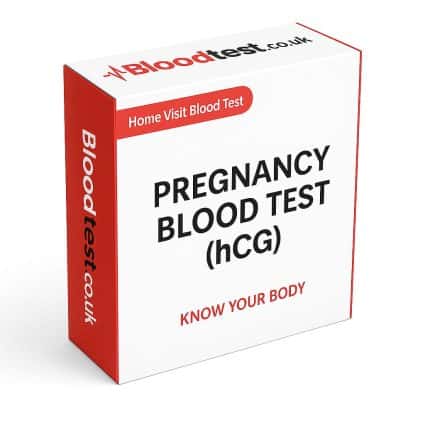

These tests are essential for early detection, allowing timely medical interventions when necessary. The key components of these tests include:
- hCG level determination
- Blood type and Rh factor analysis
- Infection screening (e.g., syphilis, HIV)
- Evaluation of potential health risks
Understanding these components is crucial for individuals seeking clarity regarding their reproductive health and aiming to ensure optimal care throughout their pregnancy journey.
Your Step-by-Step Guide to Undergoing Testing at Local Facilities
The process of obtaining a pregnancy blood test in York is straightforward and adheres to NHS guidelines. Patients typically start by scheduling an appointment at a local clinic or hospital. Upon arrival, they will need to provide personal information and may have to complete a consent form. Following this, a healthcare professional will guide them to a designated area for the blood draw. To enhance the experience, patients can expect minimal waiting times, usually ranging from 15 to 30 minutes, depending on the facility's capacity and workload.
What Key Factors Impact the Accuracy of Pregnancy Blood Tests?
Several factors can significantly influence the accuracy of pregnancy blood tests in York, including the timing of the test, dietary habits, and the patient’s medical history. For instance, the timing of the test is crucial; testing too early may result in a false negative due to insufficient hCG levels. Additionally, certain medications or pre-existing conditions might alter hormone levels, leading to misinterpretation of results. To optimise test outcomes, individuals should follow specific guidelines, such as waiting at least one week after a missed period and avoiding excessive physical exertion prior to the test to ensure the most accurate results possible.
How Can You Accurately Interpret the Results of Pregnancy Blood Tests?
Accurately interpreting the results from pregnancy blood tests in York requires careful analysis of hCG levels and other significant markers. Healthcare providers meticulously follow NHS guidelines to ensure results are communicated clearly and effectively to patients. A positive result typically indicates pregnancy, while abnormal levels may suggest complications such as ectopic pregnancy or miscarriage. In such cases, healthcare professionals will discuss appropriate follow-up actions, which may involve further testing or ongoing monitoring. This comprehensive approach ensures that patients receive the necessary support and care throughout their pregnancy journey.
How the Pregnancy Blood Test Process Works
What Procedures Are Followed During the Blood Draw Process?
The blood draw for a pregnancy blood test in York is a routine procedure performed by qualified healthcare professionals. Initially, the technician carefully cleans the area around the vein with an antiseptic wipe to mitigate any risk of infection. They then use a sterile needle to draw a small sample of blood, typically from the arm. Stringent safety measures are enforced, including the use of gloves and the proper disposal of needles, in accordance with established UK protocols. This meticulous methodology reassures patients and minimises potential health risks during the procedure.
The Critical Role of Laboratory Analysis in Pregnancy Testing
Once the blood sample is collected, it is sent to a laboratory for detailed analysis. In York, laboratories implement standard UK methods to examine samples, primarily using immunoassays to detect hCG levels. The technology employed allows for both qualitative and quantitative assessments, determining not just the presence of hCG but also its concentration in the blood. Average turnaround times for results typically range from 24 to 48 hours, facilitating prompt communication of outcomes to patients and ensuring they receive timely information.
What Are the Possible Outcomes and Their Interpretations?
The potential outcomes from a pregnancy blood test can vary significantly, with both positive and negative results carrying important implications for patients. A positive result generally indicates pregnancy and may lead to further evaluation to monitor the pregnancy’s health and viability. Conversely, a negative result may suggest that the individual is not pregnant, but it is essential to consider factors such as timing and hormone levels. Patients are encouraged to consult with their healthcare providers to discuss the next steps, which may include follow-up testing or alternative methods of pregnancy confirmation for clarity and peace of mind.
What Varieties of Pregnancy Blood Tests Are Available?
Pregnancy blood tests in the UK are categorised into qualitative and quantitative types. Qualitative tests detect the presence of the hCG hormone, providing a straightforward yes or no answer regarding pregnancy status. Conversely, quantitative tests measure the specific hCG levels in the blood, which can be critical for confirming pregnancy and estimating gestational age. Laboratories in York strictly adhere to NICE guidelines to ensure accurate interpretation and reporting of results, reinforcing their commitment to delivering high-quality patient care.
Expert Insights on Pregnancy Blood Tests in York
What Common Misconceptions About Pregnancy Blood Tests Have Been Clarified by Specialists?
Numerous misconceptions surrounding pregnancy blood tests persist, often leading to unnecessary anxiety among patients. Local experts in York stress that blood tests are considerably more accurate than home pregnancy tests, particularly during the early stages of pregnancy. For example, some individuals may believe that a blood test can only confirm pregnancy after several weeks of gestation. However, hCG can actually be detected within days of implantation. Effectively communicating these facts is essential to foster trust and reassure patients about the reliability of these tests.
What Benefits Do Pregnancy Blood Tests Offer According to Healthcare Professionals?
Healthcare professionals based in York advocate for pregnancy blood tests due to their exceptional reliability and capacity for early detection. Compared to urine tests, blood tests can identify pregnancy sooner and provide more definitive results, thereby facilitating timely medical care. Research supported by the NHS indicates that early intervention can significantly enhance maternal and fetal health outcomes. Consequently, healthcare providers frequently recommend blood tests over other methods for those who suspect they are pregnant, ensuring optimal care from the beginning.
Which Advanced Techniques Are Recommended for Improved Testing Accuracy?
In York, healthcare professionals are increasingly implementing advanced pregnancy testing techniques to enhance accuracy and patient comfort. One notable approach involves the use of integrated blood testing technology that consolidates multiple assessments into a single test. Patients are encouraged to consult their healthcare providers about these innovative methods, which can streamline testing and yield comprehensive insights into their reproductive health, thereby improving overall care.
What Potential Risks and Safety Protocols Should Be Acknowledged During Testing?
While pregnancy blood tests are generally considered safe, some risks may exist, such as mild discomfort at the injection site or rare instances of infection. Experts in York emphasise the necessity of adhering to safety protocols as outlined by NHS guidelines to mitigate these risks. Patients should also be informed about the importance of selecting accredited facilities to ensure that procedures are conducted under optimal conditions. By understanding these factors, individuals can make informed decisions regarding their testing experience, enhancing their confidence and assurance.
How Can You Prepare Effectively for Your Blood Test?
Proper preparation for a pregnancy blood test can help alleviate anxiety and enhance the overall experience for patients in York. Experts recommend that individuals arrive well-hydrated, as this can facilitate blood draws. Additionally, while fasting is not strictly necessary, avoiding heavy meals beforehand may contribute to greater comfort. Patients should also be ready for a brief consultation, during which they can address any concerns or questions with their healthcare provider. This proactive approach can help individuals feel more at ease during the testing process, ensuring they are fully informed and comfortable.
What Distinct Advantages Do Pregnancy Blood Tests Offer in York?
How Do These Tests Facilitate Early Pregnancy Care?
Pregnancy blood tests provide invaluable support for early pregnancy care in clinics throughout York. They enable healthcare providers to accurately monitor hCG levels, which are essential for assessing the health and viability of a pregnancy. Compared to other detection methods, such as urine tests, blood tests yield faster and more reliable results, facilitating timely medical interventions when necessary. This proactive monitoring is crucial in improving pregnancy outcomes, as early identification of potential issues allows for appropriate care and guidance, ensuring a healthier journey for both mother and child.
Why Choose Blood Tests Over Alternative Detection Methods?
Opting for blood tests over alternative pregnancy detection methods provides numerous advantages, especially considering the services available in York. Blood tests deliver precise hCG measurements and can confirm pregnancy significantly earlier than urine tests. Furthermore, they can identify specific conditions that may affect pregnancy, such as ectopic pregnancies or hormonal imbalances. Documented patient experiences in UK reports underscore the following comparative benefits:
- Earlier detection of pregnancy
- More accurate results
- Assessment of potential complications
- Ability to monitor hCG levels over time
This comprehensive understanding of blood tests highlights their significance in ensuring optimal maternal health from the very start of the pregnancy journey.
What Long-Term Health Benefits Can Be Identified Through Testing?
The results obtained from pregnancy blood tests can significantly influence ongoing care for both the mother and child in York. Accurate early detection of pregnancy helps establish a tailored healthcare plan that may include lifestyle adjustments, prenatal vitamins, and regular monitoring. Additionally, these tests can assist in identifying potential genetic disorders or other health concerns early in pregnancy, allowing for proactive management and improved health outcomes for both mother and baby within the broader context of UK healthcare.
When Is the Best Time to Get a Pregnancy Blood Test in York?
What Symptoms Indicate You Should Seek Testing?
Various signs may suggest the need for a pregnancy blood test, prompting individuals to visit facilities in York. Common early symptoms include missed periods, nausea, breast tenderness, and fatigue. These indicators align with UK guidelines recommending testing as soon as pregnancy is suspected. Individuals experiencing any of these symptoms are strongly encouraged to seek medical advice promptly to ensure they receive appropriate care and monitoring throughout their pregnancy journey.
Which Factors Influence the Optimal Timing for Blood Tests?
The ideal timing for pregnancy blood tests may vary based on personal and medical factors in York. For instance, women with irregular menstrual cycles may find it challenging to determine the best time for testing. Additionally, previous medical histories, such as hormonal disorders or fertility treatments, can influence testing timings. Healthcare professionals typically advise waiting at least one week after a missed period to ensure hCG levels are detectable in the bloodstream for optimal accuracy and reliability.
What Considerations Should Be Made for Follow-Up Testing After Initial Results?
After the initial pregnancy blood test, follow-up testing may be necessary based on the results obtained. In York, healthcare providers often recommend repeat testing, particularly if the first test indicates low hCG levels or if there are concerns regarding a viable pregnancy. Patients should discuss the need for additional tests with their healthcare provider, who can provide tailored advice based on their individual circumstances. This proactive approach ensures that patients receive ongoing monitoring and support throughout their pregnancy, enhancing care and outcomes.
Where Can You Access Pregnancy Testing in York?
Pregnancy blood tests are widely available at clinics and hospitals throughout York, encompassing both NHS facilities and private practices. Appointments can often be arranged online or by telephone, with many clinics offering flexible hours to accommodate patients’ needs. According to UK guidelines, testing and result turnaround times are generally kept to a minimum, with most patients receiving results within 48 hours. This accessibility ensures that individuals can receive timely care and support throughout their pregnancy journey, facilitating better health outcomes.
How Can You Interpret Test Results for Informed Decision-Making?
Understanding the outcomes from pregnancy blood tests in York is crucial for making informed decisions. Positive results typically indicate pregnancy, while negative results may require further consideration, including potential retesting if symptoms persist. Healthcare professionals adhere to UK health authority recommendations when interpreting results, ensuring clarity and support for patients. Providing emotional support throughout this process is essential; patients are encouraged to reach out to their healthcare providers for guidance, reassurance, and resources to navigate their pregnancy effectively.
How to Prepare Effectively for Your Pregnancy Blood Test in York
What Key Preparations Should Be Made Before the Test?
Preparing adequately for a pregnancy blood test can significantly enhance the experience for patients at York centres. Important steps include gathering necessary documentation, such as identification and any relevant medical history, to streamline the check-in process. While fasting is typically not required, it is advisable to avoid heavy meals beforehand to ensure optimal comfort during the blood draw. Patients should also be informed about potential side effects, such as mild discomfort, and reassured about the simplicity of the procedure, helping to alleviate anxiety and promote a positive testing experience.
What Can You Expect on the Day of Your Test?
On the day of the test, patients can expect a welcoming environment at the clinic, with staff trained to support them throughout the process. Upon arrival, patients will check in and may wait briefly before being escorted to a private area for the blood draw. Healthcare professionals will carefully explain each step, ensuring that patients feel informed and comfortable. Resources are available to address any questions or concerns, reflecting York facilities’ patient-centred approach and commitment to high-quality care, ensuring a reassuring atmosphere for all.
What Post-Test Care and Recommended Practices Should You Follow?
After a pregnancy blood test, individuals in York are encouraged to follow specific post-test care instructions to support recovery and emotional well-being. It is common to experience slight discomfort at the puncture site, which usually resolves quickly. Patients should be advised to monitor the area for any signs of unusual swelling or redness. Furthermore, emotional support is crucial; individuals can benefit from discussing their feelings with friends, family, or healthcare providers. Suggested recovery tips may include:
- Applying a cold compress to the injection site
- Staying hydrated
- Resting for the remainder of the day
- Reflecting on results with a support person or healthcare provider
These guidelines help provide reassurance and comfort, making the experience more manageable and less stressful.
What Are the Most Frequently Asked Questions About Pregnancy Blood Tests?
What exactly is a pregnancy blood test?
A pregnancy blood test measures hormone levels in the blood, specifically the human chorionic gonadotropin (hCG) hormone, to confirm pregnancy.
How accurate are pregnancy blood tests?
Pregnancy blood tests are highly accurate and can detect pregnancy earlier than urine tests. They also assess potential complications by measuring hCG levels.
When should I consider getting a pregnancy blood test?
It is advisable to get a pregnancy blood test if you’ve missed a period or are experiencing early pregnancy symptoms, typically one week after the missed period for optimal accuracy.
What do the test results indicate?
A positive result indicates pregnancy, while a negative result suggests that you are not pregnant. Abnormal levels may necessitate further investigation for conditions such as ectopic pregnancy.
Are there any risks associated with the blood test?
Risks are generally low but can include mild discomfort at the injection site or, rarely, infection. It is essential to follow safety protocols to minimise risks.
How long does it take to receive test results?
Results from a pregnancy blood test are typically available within 24 to 48 hours, depending on the facility’s processing capabilities.
Can I get a pregnancy blood test at home?
Home pregnancy tests are available, but blood tests are typically performed in medical facilities for greater accuracy and a more comprehensive assessment.
What should I do if my test is positive?
If your test is positive, consult your healthcare provider to discuss your options, schedule prenatal care appointments, and assess your overall health.
Can I eat or drink before the test?
Generally, fasting is not required for a pregnancy blood test, but it is advisable to avoid heavy meals beforehand to ensure comfort during the blood draw.
What happens if the test result is inconclusive?
If results are inconclusive, healthcare providers may recommend a repeat test or further evaluation to clarify the situation. Prompt follow-up is essential for appropriate care.
Connect with us on Facebook!
This Article Was First Found On https://bloodtest.co.uk
The Article Pregnancy Blood Test: Essential Information for York Residents Was Found On https://limitsofstrategy.com