Unlock the Secrets of Essential Spices for a Spicy Jambalaya Experience
Which Spices Will Elevate the Complexity of Your Jambalaya Flavours?
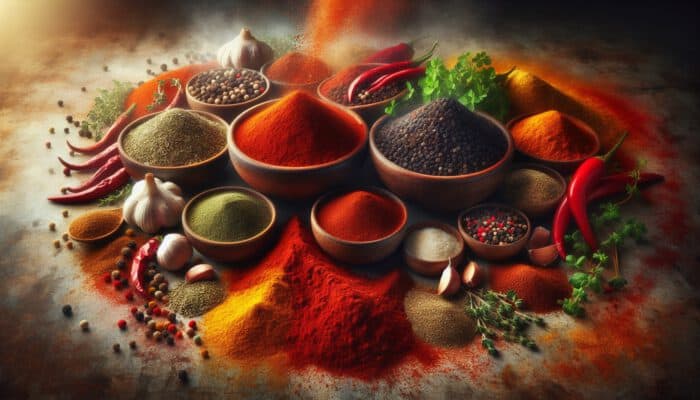
To create an irresistibly aromatic and vibrant jambalaya, thoughtfully selecting your spices is crucial. The standout spices that define this classic dish include cayenne pepper and paprika. These key ingredients not only enhance the heat but also add depth and a beautiful hue to your jambalaya. Additional spices such as oregano, thyme, black pepper, and garlic powder combine to form a robust flavour base. Feel free to experiment with alternatives based on personal preferences or what you have readily available in your pantry to elevate this dish even further.
- Chili powder provides a smoky undertone
- Crushed red pepper delivers a fiery kick
- Cumin contributes an earthy aroma
- Bay leaves impart subtle herbal notes
- Gumbo file adds a distinctive twist
- Turmeric offers vibrant colour and health benefits
- Cilantro adds a fresh, zesty finish
These spices can be personalised to match taste preferences or what you have on hand, ensuring your jambalaya remains a harmonious blend of heat and aroma, meticulously customised to fit your unique palate.
How to Select the Freshest Produce for Your Jambalaya Creation?
The heart of a delightful jambalaya lies within its fresh produce. Ripe vegetables such as bell peppers, onions, and celery not only impart essential flavours but also contribute to the dish's crispness and natural sweetness. The freshness of these ingredients is vital for balancing the spices, allowing the dish to maintain its vibrancy without becoming overwhelming.
When choosing your produce, select bell peppers that feel firm and glossy, onions that are substantial for their size, and celery that snaps easily when bent. Each bite should deliver an explosion of flavour, with every vegetable adding its unique sweetness and texture. For those who wish to experiment, consider incorporating zucchini or tomatoes for added complexity and richness in your dish.
Why is Precision in Measurement Crucial for Culinary Success?
The secret to achieving a perfectly balanced jambalaya lies in precise measurements. Both meats and rice, along with liquids, must be accurately weighed to preserve the integrity of the dish. This meticulous attention to detail is essential, ensuring that no single ingredient overshadows the others. Regarding spices, remember that less is often more; starting with a smaller quantity allows for adjustments as you taste, preventing an overpowering spice profile that could detract from the delightful medley of flavours.
Generally, a good guideline is a ratio of one part rice to two parts liquid for the jambalaya to cook uniformly. For meats, aim for approximately 200-250 grams per serving. Consistently adhering to these measurements not only enriches the dish but also simplifies the process of recreating it in your culinary adventures.
What Preparation Steps Should You Follow for Your Jambalaya Ingredients?

What Are the Most Effective Chopping Techniques for Maximum Efficiency?
Efficiently chopping vegetables and meats can significantly enhance your cooking experience, particularly for a dish as intricate as jambalaya. Mastering techniques such as the rock chop for onions and the julienne method for peppers not only saves time but also promotes uniform cooking. Proper preparation ensures that spices can infuse adequately and blend harmoniously throughout the dish.
While chopping, ensure your fingers are tucked in to protect them while creating a stable base for your knife. Use a sharp knife to achieve cleaner cuts, aiming to maintain uniform piece sizes—this promotes even cooking throughout the dish. Remember to clean your cutting board and knife during preparation to avoid cross-contamination, especially when handling meats, ensuring a safe cooking environment.
How Does Marinating Enhance the Flavours in Your Dish?
Marinating your proteins is a simple yet effective technique to amplify the flavour profile of your jambalaya. A basic marinade can include olive oil, garlic, and a selection of your favourite spices, allowing the proteins to absorb the warmth and heat of the spices before cooking. This preparatory step not only intensifies flavour but also adds moisture, resulting in succulent bites that are bursting with taste.
Allowing your marinated proteins to rest for at least 30 minutes (or even overnight) lets the flavours penetrate deeply. If you're short on time, even a quick 15-minute soak can yield a noticeable improvement. This technique works particularly well for chicken or shrimp, both of which absorb flavours beautifully, creating a richer overall dish that will tantalise the taste buds.
What Organisational Tips Can Help You Streamline Your Cooking Space Effectively?
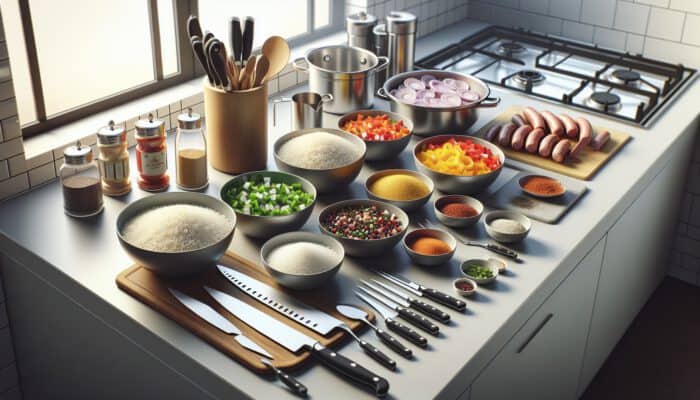
Creating a tidy and efficient workspace is crucial when preparing jambalaya. An organised kitchen not only streamlines the cooking process but also enhances safety. Before you begin, gather all your tools, including knives, cutting boards, measuring cups, and pots, ensuring everything is readily accessible for a smooth cooking experience.
Consider employing the Mise en place method, which involves measuring and preparing all ingredients before you start cooking. This practice eliminates unnecessary chaos and allows you to focus entirely on the art of cooking rather than scrambling for ingredients mid-recipe. Additionally, ensure your workspace is tidy and devoid of distractions, fostering an atmosphere conducive to culinary creativity and enjoyment.
Proven Techniques for Crafting a Remarkable Spicy Jambalaya
How to Achieve the Perfect Heat Balance in Your Jambalaya?
Achieving the ideal balance of heat in your jambalaya is an art form that requires careful attention. Start by incorporating a small amount of spices like cayenne pepper and tasting as you go. Experience shows that some individuals prefer milder heat, while others desire a fiery kick. To accommodate different preferences, consider serving extra spice on the side for those who wish for more heat.
If you accidentally add too much heat, do not panic! Incorporating a spoonful of sugar or balancing it with dairy, such as sour cream, can help to mellow the spiciness. Regularly taste your dish during the cooking process, making gradual adjustments to create a flavour profile that delights everyone at the table, ensuring satisfaction all around.
What Role Does Timing Play in Achieving Optimal Cooking Results?
Timing is critical when preparing jambalaya. Every ingredient has a specific cooking time that ensures it retains its texture and flavour. For instance, vegetables should be sautéed until just tender, while rice must absorb the liquid without becoming mushy.
Begin by sautéing your vegetables for approximately 5-7 minutes before adding meats. Once the meats are added, allow them to brown properly before mixing in the rice and liquids. This layering technique guarantees that every component is cooked to perfection, resulting in a jambalaya that is both visually appealing and delectably satisfying.
How to Strategically Layer Flavours for Maximum Impact?
Constructing a dish like jambalaya requires a thoughtful approach to layering flavours. Start by cooking your vegetables first, allowing them to caramelise and release their natural sweetness. Following this, introduce your spices—toasting them briefly in the fat can significantly enhance their flavour profile and aromatic qualities, making them more potent and vibrant.
Next, add your proteins, ensuring they brown sufficiently to develop complexity before incorporating rice and liquids. This staged approach allows the spices to fully integrate, creating a well-rounded dish with incredible depth. By adhering to this method, you ensure that every mouthful of your jambalaya bursts with flavour, making it a memorable meal for all who partake.
What Approach Should You Take for Selecting and Preparing Quality Ingredients?
Choosing the right ingredients is crucial for crafting an authentic jambalaya. Look for fresh cuts of meat, such as chicken thighs or prawns, that are firm and free from any off-odours. Fresh vegetables should be vibrant in colour and devoid of blemishes to guarantee maximum flavour and texture. The quality of your spices is equally important; strive to use whole spices whenever possible for optimal flavour and aroma.
Preparation is vital—thoroughly clean your ingredients and cut them uniformly to ensure even cooking. If using rice, opt for long-grain varieties like basmati, as they hold up better during cooking and absorb flavours effectively. By prioritising high-quality ingredients and proper preparation techniques, your jambalaya will radiate vibrant flavours and textures that are certain to impress.
How to Adapt Jambalaya Recipes for Various Dietary Preferences?
Adapting jambalaya to accommodate different dietary preferences can be seamless while preserving its fiery essence. For a vegetarian option, substitute meats with hearty vegetables like mushrooms and beans, ensuring that you maintain the same spice levels for that signature kick.
For those requiring gluten-free options, replace traditional rice with alternatives like quinoa or cauliflower rice, which also introduce unique textures. If a low-carb dish is the goal, consider utilising zucchini noodles for a lighter alternative. Each adaptation can still embody the beloved spicy and rich flavours of jambalaya, ensuring that everyone can enjoy a personalised version without compromising on taste or satisfaction.
Culinary Techniques to Master the Perfect Jambalaya
What Methods Ensure Even Heating Throughout Your Dish?
To achieve even heating in your jambalaya, consistent stirring and maintaining medium heat are vital. This technique guarantees that spices and ingredients are evenly distributed throughout the pot, preventing any sections from cooking faster than others. Stirring regularly promotes an even cooking process, ensuring that all flavours meld beautifully together, creating a harmonious dish.
When utilising a Dutch oven or heavy-bottomed pot, allow some time for heat to build before adding your ingredients. This method creates delightful caramelisation on the bottom, enhancing the overall flavour profile. Keep a close watch on your dish, and be prepared to adjust the heat as necessary to avoid burning while allowing the rice to absorb the liquids properly, resulting in a perfectly cooked jambalaya.
How to Incorporate Liquids for Optimal Moisture Balance?
Introducing liquids at the right stage during cooking is crucial for maintaining moisture in your jambalaya. Begin by adding your broth or stock after you've sautéed your vegetables and proteins but before incorporating the rice. This technique allows the flavours to meld beautifully before the rice absorbs all that delicious goodness, creating a well-balanced dish.
Utilising a high-quality stock or broth is essential, as it serves as the backbone of the dish. Aim for a ratio of two parts liquid to one part rice to ensure the grains cook evenly and absorb all the wonderful spices. If your jambalaya appears too dry during cooking, you can always add a splash more liquid, but do so sparingly to avoid diluting the flavours that make this dish so special.
How to Monitor the Cooking Process for Optimal Results?
Monitoring your jambalaya as it cooks is vital for achieving that perfect finish. Keep an eye on the bubbling and the aroma wafting from the pot; both are indicators of how well your dish is developing. Regularly check for the right consistency—your jambalaya should be moist but not soupy, achieving that ideal texture that makes it so enjoyable.
Taste testing throughout the cooking process is also beneficial. This helps refine the spice level and ensures that the flavours harmonise beautifully. If you notice certain ingredients are cooking more quickly, feel free to adjust the heat or cover the pot temporarily to retain moisture until everything is perfectly cooked, guaranteeing a delightful flavour profile.
What Are the Essential Steps in Cooking Jambalaya?
What is the Process for Assembling Your Base Mixture?
Assembling the core ingredients is the initial crucial step in creating your jambalaya. Begin by sautéing your aromatic vegetables—typically onions, bell peppers, and celery—in a bit of oil until they become tender and translucent. This foundational step sets the stage for the spices to meld beautifully, creating a robust flavour profile essential for the dish's success.
Once your vegetables are softened, add in the proteins and allow them to brown slightly, enriching the base. Afterward, introduce the spices, stirring them in to release their essential oils. Finally, incorporate the rice, allowing it to soak up all those beautiful flavours before adding your liquids to complete the cooking process, resulting in a cohesive and delightful jambalaya.
When Should You Add Spices for Maximum Impact on Flavour?
Introducing spices at the correct moment is key to preserving their potency in your jambalaya. Aim to add heat elements like cayenne and paprika midway through the cooking process, allowing their flavours to develop fully without losing their impact, enhancing the overall taste.
Begin by adding dry spices after the vegetables have softened, giving them a moment to toast slightly in the oil—this enhances their aroma and flavour. Once you add the rice, mix thoroughly to coat it in the spices, allowing for a gradual build-up of flavour. This method ensures that the jambalaya is irresistibly spicy and layered, with each component contributing to a well-rounded dish that everyone will enjoy.
What Final Touches Can Elevate Your Jambalaya to Perfection?
Applying final seasonings just before serving is crucial to elevate your jambalaya. A sprinkle of fresh herbs like parsley or green onions can add a burst of colour and freshness, contrasting beautifully with the rich, spicy notes of the dish. Additionally, consider incorporating a squeeze of fresh lemon or lime juice for a zesty finish that brightens the overall flavour profile, making it more vibrant.
For an added layer of texture and visual appeal, think about garnishing with sliced jalapeños or a dollop of sour cream to cool down the heat. These finishing touches not only enhance the presentation but also invite everyone to dive into the warm, inviting bowl of jambalaya waiting to be savoured and enjoyed, creating a delightful dining experience.
Research-Backed Benefits of Cooking a Flavourful Spicy Jambalaya Dish
Why is Integrating Spices Important for Health and Flavour Enhancement?
Understanding the significance of spice integration when preparing jambalaya offers both culinary and health benefits. Careful blending of spices not only enhances the dish's flavour but can also boost metabolism and elevate the overall nutritional value of the meal. For example, spices like cayenne and paprika possess thermogenic properties, which can slightly increase your body temperature and assist in calorie burning, making your meal more beneficial.
Moreover, spices can confer substantial health advantages, such as antioxidants that combat inflammation. By effectively integrating spices into your cooking process, you create a dish that is not only deliciously spicy but also beneficial for well-being, making every bite a treat for both the palate and the body, enriching the overall dining experience.
How to Maintain Nutritional Balance in Your Jambalaya Meal?
Incorporating a variety of vegetables and proteins into your jambalaya ensures a wholesome meal that doesn’t compromise on nutrition. The blend of fresh vegetables not only provides essential vitamins and minerals but also adds fibre, which aids digestion and contributes to a feeling of fullness, positively impacting your health.
When spices are combined with high-fibre ingredients, nutrient absorption is enhanced, making your dish not just a source of flavour but also a health-conscious option. This thoughtful approach to ingredient selection harmonises taste and nutrition, creating a satisfying experience that promotes overall well-being and enjoyment, ensuring that you feel good about what you eat.
What Are the Long-Term Advantages of Consistent Cooking Techniques?
Adopting consistent cooking methods for jambalaya can yield long-term benefits. Remaining diligent about your preparation and cooking techniques allows for repeated success, as familiarity with your ingredients and their cooking times will lead to increasingly better flavours and textures over time.
This consistency enables you to focus on refining your personal recipe, adjusting proportions, or experimenting with new spice blends without fear of failure. With each batch, you’ll become more adept at stirring, timing, and seasoning, transforming your jambalaya into a dish to confidently share with family and friends, enhancing your culinary skills along the way.
What Antioxidant Benefits Do Key Ingredients Offer?
The spices and vegetables in spicy jambalaya provide significant antioxidant benefits that can support heart health and reduce inflammation. For instance, bell peppers are rich in Vitamin C, while garlic boasts properties that can bolster the immune system. When combined, these ingredients create a dish that is not only flavourful but also promotes longevity and vitality in everyday meals, making it a healthful choice.
Furthermore, the health benefits of spices like cayenne and turmeric are well-documented, with studies indicating their role in diminishing oxidative stress within the body. By incorporating these ingredients into your jambalaya, you enhance its overall nutritional profile, making it a smart choice for health-conscious diners seeking delicious and nutritious meals that also support their well-being.
How Do Spices Contribute to Digestive Health?
Spices like cayenne and black pepper found in jambalaya can positively influence digestive health. Research indicates that the active compound capsaicin aids digestion by stimulating digestive enzymes, which can enhance the breakdown and absorption of nutrients, making your meal more effective nutritionally.
Regularly preparing and enjoying spicy dishes like jambalaya can contribute to improved digestive comfort over time, minimising issues such as bloating. This makes it not just a delectable meal option but also a smart addition to your diet, offering both comfort and benefits for gut health that everyone can appreciate, promoting overall wellness through enjoyable eating experiences.
What Are the Best Ways to Serve and Enjoy Your Jambalaya?
What Accompaniments Pair Perfectly with Your Jambalaya Dish?
To elevate your jambalaya experience, consider selecting sides that complement its spice and richness. Savoury or refreshing accompaniments can enhance the meal, creating a complete dining experience for everyone at the table.
For instance, serving jambalaya alongside a crisp garden salad or a zesty coleslaw can provide a refreshing contrast to the dish's heat. Additionally, fluffy cornbread or garlic bread are perfect for soaking up the delicious sauce, making every bite enjoyable. These pairings allow diners to explore different textures and flavours, rounding out the meal beautifully and satisfying all appetites, ensuring a delightful culinary journey.
How to Present Your Jambalaya for Maximum Visual Appeal?
To make your jambalaya visually appealing, focus on presentation. Arranging the dish attractively on plates can enhance its inviting nature, making it a feast for the eyes before the first bite. Consider using a shallow bowl or a wide plate to showcase the vibrant colours of your jambalaya, allowing the red and green hues of the spices and vegetables to shine through, captivating your guests.
For a finishing touch, garnish with freshly chopped herbs or a sprinkle of paprika to elevate the appearance. Not only does this draw everyone in, but the enticing aromas wafting from your beautifully presented jambalaya will leave guests eager to dig in and enjoy a warm, comforting meal, creating a memorable dining experience.
How to Adjust Portions When Serving Larger Groups?
Scaling your jambalaya recipe to cater to different group sizes can be managed with a few straightforward tips. First, determine how many servings are necessary and multiply your core ingredients accordingly to ensure everyone enjoys a satisfying portion. For a clearer approach, consider these suggestions:
- Double the recipe for larger gatherings
- Use smaller amounts of spices to avoid overpowering the dish
- Prepare a side of rice or bread to complement the main dish
- Be mindful of cooking times, as larger portions may require longer
These strategies not only streamline your cooking process but also ensure that no food goes to waste, allowing everyone to enjoy a hearty serving of your delicious spicy jambalaya that brings people together, fostering a sense of community and satisfaction.
How to Store and Reheat Your Jambalaya for Optimal Flavor Retention?
What Techniques Preserve Freshness After Cooking?
To relish your jambalaya at a later date, proper storage is vital for preserving its fresh flavours. After cooking, allow the dish to cool quickly on the counter before sealing it in an airtight container. This practice helps maintain the dish’s quality and prevents bacterial growth that could spoil the meal, ensuring it remains safe to eat.
When stored properly, your jambalaya can be kept in the fridge for up to three days. If you choose to freeze it, ensure it’s in a container designed for freezing to protect against freezer burn. This careful approach guarantees that you can savour the delightful flavours of your jambalaya long after it’s been cooked, making it a convenient meal option that satisfies your cravings.
What Are the Best Reheating Methods to Maintain Taste and Texture?
When it's time to enjoy your leftover jambalaya, reheating correctly is essential to preserve its vibrant flavours and textures. Opt for gentle heat, whether in a microwave or on the stovetop, to prevent the dish from drying out. If using a microwave, consider covering it with a damp paper towel to retain moisture and improve the reheating process, ensuring it stays delicious.
For stovetop reheating, add a splash of broth or water to help rejuvenate the dish. Stir frequently and monitor closely to avoid burning. This method ensures your jambalaya remains as flavoursome and vibrant as the day it was prepared, ready to delight your taste buds once again with every bite, making it a satisfying meal choice.
What Safety Considerations Should Be Taken for Leftovers?
Handling leftovers with care is crucial to ensure food safety and maintain the quality of your jambalaya. Always allow the dish to cool completely before refrigerating to prevent condensation, which can lead to spoilage. Store leftovers in airtight containers and consume them within three days for optimal freshness and safety, ensuring you can enjoy your meal without concern.
When reheating, ensure that the dish reaches a safe internal temperature of at least 75°C (165°F) to eliminate any potential bacteria. By following these safety guidelines, you can enjoy your delicious jambalaya with peace of mind, knowing it’s both safe to eat and incredibly tasty, allowing you to appreciate the flavours worry-free.
How to Freeze Your Jambalaya for Long-Term Storage?
Freezing jambalaya can be a fantastic way to lock in flavours and extend its shelf life. To do this, allow the dish to cool completely first, then portion it into airtight containers or freezer bags, ensuring minimal air exposure to prevent freezer burn, thus preserving its quality.
When properly frozen, jambalaya can last up to three months without losing its vibrant taste and texture. When you're ready to enjoy it, simply thaw overnight in the fridge and reheat gently, retaining all the delightful spices and aromas that make this dish so special for everyone, ensuring a delicious meal awaits.
What Storage Containers Are Ideal for Your Jambalaya?
Choosing the right storage containers is essential for maintaining the freshness of your jambalaya. Opt for microwave-safe containers that seal tightly to avoid moisture loss, keeping your dish flavorful and enjoyable. Glass containers are an excellent choice as they don’t absorb smells and are easy to clean and reuse, making them a sustainable option.
If you prefer plastic, ensure it is BPA-free and designed for food storage to guarantee safety. Containers that are both freezer-safe and microwave-safe will allow you to transition from freezing to reheating seamlessly, helping to preserve the vibrant taste and reduce waste effectively while enjoying your favourite meals.
Frequently Asked Questions About Jambalaya Preparation
Can I prepare jambalaya ahead of time?
Yes, you can prepare jambalaya ahead of time. Just store it in airtight containers in the fridge or freezer. Reheat it gently before serving to retain its fabulous flavours and textures, ensuring it is just as delightful as when freshly made.
What is the best type of rice for cooking jambalaya?
Long-grain rice, such as basmati or jasmine, is ideal for jambalaya. It holds up well during cooking and absorbs flavours beautifully without becoming mushy, ensuring that each grain contributes to the overall dish.
Can I use different meats in my jambalaya recipe?
Absolutely! Jambalaya is a versatile dish. You can use chicken, sausage, shrimp, or even a mix of your favourite proteins to suit your taste preferences and dietary needs, allowing for creativity and personalisation in your cooking.
Is jambalaya typically spicy?
Jambalaya can be spicy, depending on the amount of cayenne pepper and other heat sources you choose to use. You can always adjust the spice level to suit your personal preference and tolerance, ensuring everyone enjoys their meal.
Can I make a vegetarian version of jambalaya?
Yes, you can create a delicious vegetarian jambalaya by replacing meats with hearty vegetables and legumes while keeping the spices intact for flavour. This way, you still enjoy the dish's signature taste without compromising on satisfaction.
How long does jambalaya last when stored in the fridge?
When stored properly in an airtight container, jambalaya can last in the fridge for up to three days while maintaining its flavour and freshness, making it a great option for meal prep and leftovers.
Can I freeze jambalaya for later use?
Yes, jambalaya freezes well. Portion it into airtight containers, and it can last up to three months in the freezer without losing flavour or texture, providing a convenient option for future meals.
What is the best way to reheat jambalaya?
Reheat jambalaya gently in the microwave or on the stovetop, adding a splash of broth or water to keep it moist and prevent drying out during the reheating process, ensuring it remains delicious and enjoyable.
What side dishes pair well with jambalaya?
Complementary sides for jambalaya include cornbread, coleslaw, garden salad, or garlic bread, all of which enhance the overall dining experience and provide a satisfying meal that caters to various tastes.
Can I add seafood to my jambalaya recipe?
Indeed! Seafood such as shrimp, scallops, or fish can be added to jambalaya for a delightful flavour twist, making the dish even more enjoyable and appealing to seafood lovers, enhancing its overall profile.
Join Us on Facebook!
The post How to Cook a Spicy Jambalaya Dish: Easy Steps for Beginners appeared first on https://cookinggods.com
The Article Spicy Jambalaya: Easy Cooking Steps for Beginners Was Found On https://limitsofstrategy.com
The Article Spicy Jambalaya: Simple Steps for Beginner Cooks found first on https://electroquench.com