In-Depth Analysis of Hot Water Tank Services Available
Discover the Wide Variety of Hot Water Tanks Tailored for Your Home
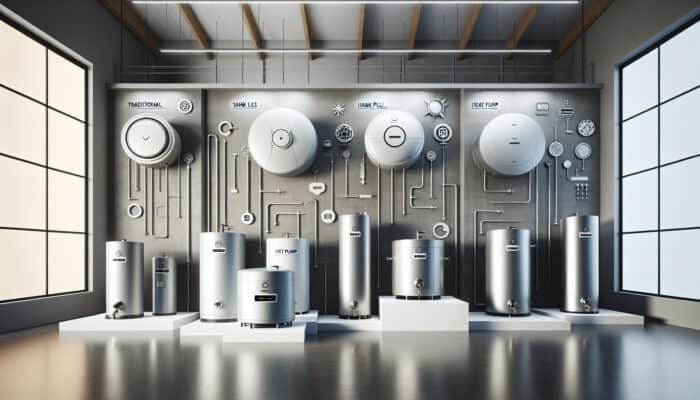
Hot Water Tank Services in Ladner Delta: A broad selection of hot water tanks is available to accommodate diverse household requirements, which include conventional, tankless, and heat pump models. Each category is specifically designed to fulfil varying demands and preferences of different households. Conventional hot water tanks are commonly installed in many homes throughout Canada, as they can store a significant amount of hot water, making them ideal for larger households with higher hot water needs. While their installation and maintenance are generally straightforward, these tanks may incur higher energy costs due to standby heat loss, which can gradually increase monthly energy bills.
On the other hand, tankless water heaters are becoming increasingly popular due to their ability to provide hot water on demand, eliminating the need for a storage tank. This efficiency not only contributes to lower monthly energy expenses but also ensures that hot water is available precisely when required. To avoid supply interruptions, it is essential to ensure that the unit's capacity meets your household's hot water demands effectively.
Finally, heat pump water heaters are remarkably energy-efficient, using electricity to transfer heat from the surrounding air or ground to heat the water instead of generating heat directly. These models perform optimally in moderate climates and can substantially reduce energy consumption. When selecting the most suitable hot water tank, it is crucial to consider factors such as your local climate, the size of your household, and your specific hot water usage patterns.
The Necessity of Regular Maintenance for Your Hot Water Tank
<pConsistent maintenance of your hot water tank is crucial for maintaining its efficiency, longevity, and safety. Over time, sediment can accumulate within the tank, reducing its effectiveness and leading to increased energy costs. Engaging in regular maintenance allows for the early identification of potential issues before they escalate into expensive repairs or replacements. A well-maintained hot water tank can function reliably for up to 15 years, while neglecting maintenance can result in premature failure and significant repair bills.
Furthermore, routine maintenance is essential for ensuring safety. Hot water tanks can pose hazards if leaks occur, if pressure levels are improperly regulated, or if corrosion is present. Regular inspections conducted by qualified professionals can identify these risks and ensure that safety components, such as the temperature and pressure relief valve, are performing as intended. Homeowners must prioritise scheduling annual maintenance to ensure their systems remain safe and fully operational.
How to Choose the Ideal Hot Water Tank for Your Home
Selecting the appropriate hot water tank necessitates careful consideration of various factors, including the size of your household, energy efficiency ratings, and the space available for installation. For larger families or households that consume significant amounts of hot water, a conventional tank may be the most suitable choice. Conversely, for those with limited space or lower hot water requirements, a tankless system could be the best option.
Energy efficiency is another vital factor to consider. It is advisable to seek models with a high Energy Factor (EF) rating, as this indicates superior efficiency and reduced operational costs. Additionally, evaluate the energy source for the tank, whether it is electric, gas, or solar, based on what is readily accessible and cost-effective in your locality.
Consulting with a qualified professional can be incredibly beneficial in making an informed decision. They can assess your home’s hot water requirements and recommend the most suitable options available. Investing in the right hot water tank can lead to considerable long-term savings while enhancing comfort in your home.
Insights from Industry Experts on Hot Water Tank Services in Ladner, Delta
What Are the Key Warning Signs of a Failing Hot Water Tank?
Identifying the common warning signs of a failing hot water tank is crucial for timely intervention. Typical indicators include strange noises, leaks, and irregular water temperatures. Addressing these symptoms promptly can prevent more severe complications from developing. Key signs to be vigilant for include:
- Unusual noises, such as popping or banging, may indicate sediment accumulation.
- Leaks or water pooling around the tank, which may signal a serious problem.
- Inconsistent water temperature, potentially indicating issues with the thermostat or heating element.
- Rusty or discoloured water, which may suggest corrosion.
- Increased energy bills that could point to inefficiency.
- Unpleasant odours coming from the hot water.
- Frequent repairs or adjustments needed to maintain functionality.
If any of these signs are detected, it is imperative to take immediate action. Ignoring these symptoms can result in severe damage and potentially costly repairs or replacements. Regular inspections by professionals can help identify these issues early on, ensuring a reliable hot water supply for your home.
How Do Professionals Diagnose and Fix Hot Water Tank Issues?
Qualified technicians possess the expertise to diagnose and resolve hot water tank issues, ensuring that they function efficiently and safely. They excel at identifying problems that may not be immediately visible to homeowners, such as hidden electrical or plumbing complications. In addition, professionals can perform repairs safely, minimising the risk of personal injury or further damage to the system.
Furthermore, these experts can provide valuable insights into maintenance and replacement options. They can suggest tailored maintenance schedules based on your specific tank type, usage patterns, and local conditions. By utilising their expertise, homeowners can prolong the lifespan of their hot water tanks while optimising their performance. Engaging a certified professional also ensures compliance with local safety regulations and building codes, giving you peace of mind.
The Critical Importance of Professional Hot Water Tank Installation
Having your hot water tank installed by a professional is essential to ensure it is set up correctly, thereby minimising the likelihood of future complications and maximising performance. The installation process involves intricate electrical and plumbing connections that require specialised knowledge and skills. Incorrect installation can lead to serious safety hazards, including leaks or, in extreme cases, explosions.
A qualified installer will guarantee that your hot water tank is appropriately sized for your home, connected to the correct power source, and equipped with necessary safety features. They will also comply with local codes and regulations during the installation process, significantly reducing the risks associated with DIY installations. Additionally, a professional can provide you with valuable advice on operating and maintaining your new system, ensuring optimal performance and efficiency.
When Should You Consider Replacing Your Hot Water Tank?
If your hot water tank is over 10 years old, if repairs are becoming frequent, or if its energy efficiency is declining, it may be time to consider a replacement. Hot water tanks typically have a lifespan of approximately 10 to 15 years, after which their efficiency generally diminishes. If your tank requires frequent repairs, it may be more economical to invest in a replacement rather than continually spending on repairs.
Rising utility bills can also indicate that your tank is becoming inefficient. Upgrading to a newer, more energy-efficient model can result in substantial long-term savings. Additionally, if your hot water tank is leaking or showing signs of corrosion, it is essential to replace it promptly to prevent further damage to your home and ensure a consistent hot water supply. Consulting with a professional can help you determine the optimal timing for replacement and guide you in selecting a new unit that meets your specific needs.
What Are the Benefits of Professional Hot Water Tank Services?
Enhancing Energy Efficiency Through Regular Maintenance
Proper maintenance and timely upgrades can significantly boost the energy efficiency of your hot water tank, leading to reduced utility costs. Regular servicing ensures your system operates at peak performance, which is particularly crucial in Canada's energy-conscious environment. Here are several strategies to enhance energy efficiency:
- Regularly flush the tank to eliminate sediment buildup.
- Insulate the tank and hot water pipes for improved heat retention.
- Upgrade to a tankless or high-efficiency model that consumes less energy.
- Check and replace the anode rod periodically to prevent corrosion.
- Set the thermostat to the optimal temperature (120°F is recommended).
- Utilise energy-efficient appliances that integrate well with your hot water system.
- Schedule routine maintenance checks to identify and address issues early.
By implementing these strategies, homeowners can save money while also reducing their environmental footprint. A well-maintained hot water tank operates more efficiently, contributing to a more sustainable household.
Ensuring Safety and Reliability with Expert Services
Regular maintenance services are essential for ensuring that your hot water tank operates safely and reliably, thereby minimising the risk of malfunctions and hazards. Safety must always be a priority when managing appliances that deal with pressurised water and heat. Routine inspections can help uncover potential threats, such as gas leaks in gas water heaters or faulty electrical connections in electric models, both of which can pose serious safety risks.
Moreover, routine maintenance checks guarantee that safety features, like the temperature and pressure relief valve, are functioning correctly. If these components fail, they can lead to dangerous situations, including tank failure or explosions. Reliable hot water tank services offer homeowners peace of mind, knowing their systems are operating safely and effectively.
Additionally, investing in professional services ensures that all work complies with industry standards, keeping your appliance aligned with local regulations. A dependable hot water tank is crucial for daily comfort and safety in your home, making consistent maintenance an essential aspect of responsible homeownership.
Extending the Lifespan of Your Hot Water Tank Through Consistent Maintenance
Regular maintenance can significantly prolong the lifespan of your hot water tank, delaying the need for costly replacements. Like any appliance, a hot water tank requires consistent care and attention to function effectively over the years. By adhering to maintenance schedules, homeowners can greatly extend the lifespan of their systems.
Routine tasks, such as flushing the tank and inspecting the anode rod, help prevent corrosion and sediment accumulation, which are leading causes of tank failure. Furthermore, monitoring your tank for signs of wear and tear allows for early detection of potential issues, enabling repairs before they escalate into failures.
Investing in high-quality components during maintenance or replacement can also improve the durability of your hot water tank. When considering replacements, opting for models with longer warranties often indicates superior quality and better longevity. By prioritising maintenance and making informed decisions regarding your hot water tank, you can enjoy years of reliable service and optimal performance.
Proven Strategies for Effective Hot Water Tank Maintenance
The Essential Practice of Regular Flushing and Cleaning
Regular flushing and cleaning of your hot water tank is vital for preventing sediment buildup, which can impair efficiency and potentially cause damage. This maintenance task should ideally be performed annually to ensure your system operates effectively. Over time, minerals and sediments tend to settle at the bottom of the tank, resulting in decreased performance and increased energy costs.
To flush your tank, begin by turning off the power or gas supply and closing the cold water supply valve. Next, attach a hose to the drain valve located at the bottom of the tank and direct it to a suitable drainage area. Open the drain valve and allow the tank to empty, facilitating sediment removal. After draining, close the valve, refill the tank, and restore power or gas. This straightforward maintenance procedure can significantly enhance your hot water tank's efficiency and overall lifespan.
Cleaning the exterior of the tank is equally crucial. Dust and debris can accumulate over time, negatively affecting the unit’s ventilation and overall performance. Regularly inspect and wipe down the exterior surfaces, ensuring that no flammable materials are stored nearby. Maintaining cleanliness not only promotes optimal operation but also reduces fire hazards associated with hot water tanks.
Why Regular Inspections and Replacements of Anode Rods Are Crucial
The anode rod within your hot water tank is essential for preventing corrosion. Typically made of magnesium or aluminium, this rod attracts corrosive elements in the water, allowing them to corrode instead of the tank itself. Regularly inspecting and replacing the anode rod as necessary can significantly extend the lifespan of your tank.
Anode rods should ideally be inspected at least annually, particularly in areas with hard water, where they may deteriorate more quickly. If you find that the anode rod is less than 50% intact, it is time to replace it. While replacing the anode rod is a straightforward process, do not hesitate to seek professional assistance if you are unsure. By ensuring your anode rod remains in good condition, you can protect your investment and enhance the reliability of your hot water tank.
Neglecting the maintenance of the anode rod can accelerate tank corrosion, leading to leaks and tank failure. Regular checks and timely replacements are crucial for the longevity of your hot water system, ensuring a consistent supply of hot water for all your needs.
What Are the Best Practices for Effective Tank Maintenance?
Implementing best practices for hot water tank maintenance involves conducting regular inspections, ensuring timely repairs, and adhering to manufacturer guidelines to optimise performance and longevity. Establishing a maintenance routine is vital, as many homeowners often overlook their hot water tanks until issues arise. A well-structured maintenance schedule can include annual professional inspections alongside regular self-checks to identify minor issues early.
Create a checklist of maintenance tasks to be performed throughout the year. This list might include verifying the temperature setting, inspecting for leaks, and ensuring the area surrounding the tank is free of clutter. Keeping a record of maintenance activities can help you track the tank’s condition and inform future inspections.
In addition, always follow the manufacturer’s maintenance guidelines. These recommendations may vary by model and could include specific instructions on flushing the tank, replacing components, and monitoring performance. By adhering to best practices, homeowners can maximise the efficiency, safety, and lifespan of their hot water tanks.
Monitoring and Maintaining Optimal Water Pressure for Hot Water Tank Functionality
Regularly monitoring and maintaining appropriate water pressure is crucial for preventing unnecessary strain on your hot water tank, reducing the risk of leaks, and prolonging its lifespan. Ideal water pressure typically ranges between 40 and 60 psi. High water pressure can stress plumbing fixtures and appliances, while low pressure may indicate underlying issues that need addressing.
To check your water pressure, use a pressure gauge attached to an exterior faucet or the water heater. If the pressure exceeds the recommended level, installing a pressure-reducing valve may be necessary to alleviate the issue. Regular checks and adjustments can prevent significant problems, such as bursting pipes or tank leaks.
Maintaining stable water pressure also enhances the overall performance of your hot water system. Fluctuating pressure can lead to inconsistent hot water delivery and may place undue strain on heating elements. By ensuring consistent water pressure, homeowners can enjoy reliable hot water service while extending the lifespan of their systems.
Inspecting and Maintaining the Temperature and Pressure Relief Valve
The temperature and pressure relief valve is a vital safety feature of your hot water tank. It is essential to inspect and test this valve annually to confirm its proper functioning and avert potential hazards. This valve is designed to release excess pressure or temperature, protecting the tank from catastrophic failures such as explosions.
To test the valve, lift the lever to let a small amount of water escape. If water flows freely, the valve is operational. However, if no water flows or it continues to leak after testing, the valve should be replaced immediately. Regular testing ensures the relief valve remains in good working order, providing homeowners with peace of mind.
In addition to testing, visually inspect the valve for signs of corrosion or mineral buildup. Maintaining this valve is critical for the safe operation of your hot water tank. Neglecting to do so could lead to dangerous situations, making regular inspections a requirement for every responsible homeowner.
Strategic Approaches for Hot Water Tank Services in Ladner, Delta
When Is It Necessary to Replace Your Hot Water Tank?
Replacing your hot water tank becomes necessary when it exhibits signs of inefficiency, begins leaking, or reaches the end of its expected lifespan. Typically, hot water tanks last between 10 to 15 years, and if yours is nearing that age, it might be wise to consider a replacement. Frequent repairs can also indicate that your tank is approaching the end of its useful life, suggesting that investing in a new unit could be more cost-effective.
Indicators that it's time to replace your tank include persistent leaks, rust forming around the tank base, or a noticeable decline in water quality. If you observe discoloured or foul-smelling hot water, it may indicate internal corrosion within the tank. Additionally, an increase in energy bills can signal that your hot water tank is operating inefficiently, potentially leading to escalating costs over time.
Consulting with a professional can provide valuable insights into assessing your current system and determining the best course of action based on its condition and your hot water needs. They can also guide you in selecting a new tank that meets your requirements and ensure a smooth installation, minimising disruption to your household.
How to Choose a Reliable Hot Water Tank Service Provider?
Selecting a trustworthy service provider involves verifying their credentials, reading customer reviews, and ensuring they have experience with your specific type of hot water tank. Begin by seeking licensed and insured professionals with a solid reputation in the Ladner and Delta areas. Online reviews and testimonials from previous clients can offer valuable insights into their reliability and quality of service.
Seek recommendations from friends, family, or local community groups. A provider with a proven track record is more likely to understand the unique needs of the area, including local regulations and common hot water tank concerns.
A crucial step is to request quotes from multiple service providers. This allows you to compare prices and services offered. Ensure that the provider you choose includes a comprehensive breakdown of their services and warranties on both labour and parts. By following these steps, you can find a dependable service provider who can effectively address your hot water tank needs.
Cost-Effective Solutions for Hot Water Tank Services
Exploring cost-effective solutions for hot water tank services can help you maintain your system without incurring excessive expenses. Many service providers offer regular maintenance plans that keep your tank in optimal condition at a reasonable cost. These plans often include routine inspections, flushing, and minor repairs to prevent larger issues from arising later.
Consider energy-efficient upgrades, such as transitioning to a tankless water heater or a high-efficiency tank model. Although the initial investment may be higher, these models can lead to significant savings on energy bills over time. Additionally, investigate rebates or incentives from local utilities for upgrading to more efficient systems.
Another cost-saving measure involves performing basic maintenance tasks yourself, such as flushing the tank and checking the anode rod. However, always consult professionals for more complex issues to ensure safety and compliance. By combining regular maintenance with smart upgrades and DIY tasks, you can effectively manage the costs associated with hot water tank services.
Understanding Common Hot Water Tank Issues and Effective Troubleshooting Tips
Familiarising yourself with typical hot water tank issues, such as sediment buildup, thermostat malfunctions, and pressure relief valve problems, along with practical DIY troubleshooting tips is essential. Sediment buildup is a frequent concern that can diminish efficiency and cause damage. Symptoms may include unusual noises or fluctuating water temperatures. Flushing the tank can often remedy this issue.
Thermostat malfunctions can lead to an inconsistent hot water supply. If your water is too hot or not hot enough, begin by checking the thermostat settings. If adjustments prove ineffective, the thermostat may need replacing.
Addressing pressure relief valve problems promptly is essential to prevent safety hazards. If you notice leaks or continuous dripping from the valve, it may require replacement. Always turn off the power and water supply before attempting any troubleshooting or repairs. For more complex issues, contacting a professional is advisable to ensure a safe and effective resolution.
Managing Common Issues with Your Hot Water Tank
How to Effectively Handle Leaks and Drips from Your Hot Water Tank
Leaks and drips from your hot water tank can occur due to loose connections or damage to the tank itself. Promptly addressing these leaks is crucial to prevent further damage. Start by inspecting all visible connections to ensure they are secure. If a leak is detected, immediately turn off the power and water supply to mitigate damage.
If the leak originates from the tank itself, it may indicate corrosion or a crack, necessitating a professional evaluation. Depending on the severity of the damage, you might need to replace the entire tank. Regular maintenance checks can help identify potential leaks before they escalate, saving you from disruption and unforeseen costs in the future.
Always monitor the area surrounding your hot water tank for signs of water pooling or dampness. Consistent visual inspections can lead to early leak detection, allowing for timely intervention and repairs.
How to Resolve Issues with Inconsistent Water Temperature
Inconsistent water temperature can stem from a malfunctioning thermostat, sediment buildup, or a failing heating element. If you experience fluctuating temperatures, start by checking the thermostat settings. If they appear correct, the next step is to inspect the heating element for signs of wear or damage.
Sediment buildup can also negatively impact heating performance. Flushing the tank to remove accumulated debris can often resolve temperature inconsistencies. Should issues persist, it may be necessary to consult a professional to diagnose and rectify the underlying cause, ensuring a consistent hot water supply.
Regular maintenance is crucial for avoiding temperature inconsistencies. Scheduling annual checks can help reduce the likelihood of unexpected issues and ensure that your system operates efficiently.
What Steps Should You Take in Case of a Tank Malfunction?
In the event of a tank malfunction, it is critical to turn off the power and water supply to the tank and contact a professional for immediate assistance. Signs of a serious issue may include unusual sounds, leaks, or a sudden halt in the hot water supply.
While waiting for professional help, refrain from attempting to fix the problem yourself unless you have experience and knowledge in plumbing and electrical repairs. Shutting off the supply will help avert further damage or hazardous situations. If there is a significant leak, it may also be necessary to shut off the main water supply to your home.
Always prioritise safety; if you suspect a serious problem, evacuate the area until help arrives. A qualified technician will have the necessary tools and expertise to resolve the issue and restore your hot water service safely.
How to Effectively Manage Corrosion and Rust in Your Hot Water Tank
Corrosion and rust can severely compromise the integrity of your hot water tank. Regular maintenance and the periodic replacement of the anode rod can help mitigate these issues. The anode rod attracts corrosive elements in the water, and periodic replacement is essential for extending the life of your tank. Inspect the rod annually and replace it if it shows significant corrosion.
If you notice signs of rust on the tank’s exterior or in your hot water, it may indicate that the tank is failing. In such cases, seeking a professional assessment is recommended to determine whether replacement is necessary. It is crucial to address corrosion issues promptly to avoid leaks or complete tank failure.
Maintaining proper water chemistry is also instrumental in reducing corrosion. If your home has hard water, consider investing in a water softener to minimise mineral buildup and prolong the lifespan of your hot water tank.
How to Address Noisy Operation in Your Hot Water Tank
Noises emanating from your hot water tank, such as banging or rumbling, often indicate sediment buildup. When sediment accumulates at the bottom of the tank, it can cause the heating elements to work harder, leading to increased noise as they heat the water. Flushing the tank is typically an effective solution to eliminate this issue.
In addition to sediment, other noise sources may include loose components or improper installation. If flushing the tank does not resolve the noise issue, it may be beneficial to investigate further or consult a professional for an assessment.
While some noise during operation is normal, loud banging or unusual sounds should be addressed quickly to prevent further damage to the system. Regular maintenance can help ensure your hot water tank operates quietly and efficiently.
Frequently Asked Questions About Hot Water Tanks
What Is the Average Lifespan of a Hot Water Tank?
The average lifespan of a conventional hot water tank is typically 10 to 15 years, whereas tankless models can last up to 20 years with proper maintenance.
How Often Should I Flush My Hot Water Tank?
It is recommended to flush your hot water tank at least once a year to remove sediment buildup and maintain optimal efficiency.
How Can I Improve the Efficiency of My Hot Water Tank?
You can enhance efficiency by regularly flushing the tank, insulating pipes, setting the thermostat correctly, and performing routine maintenance checks.
What Should I Do If My Hot Water Tank Is Leaking?
If your hot water tank is leaking, turn off the power and water supply immediately, then contact a professional for an assessment and repairs.
How Do I Know If My Anode Rod Needs Replacing?
Inspect the anode rod annually. If it is less than 50% intact or shows significant corrosion, it should be replaced.
Can I Install a Hot Water Tank Myself?
While you can install a hot water tank yourself, it is generally advisable to hire a professional to ensure compliance with safety standards and local codes.
What Are the Benefits of a Tankless Water Heater?
Tankless water heaters provide hot water on demand, saving space and energy compared to conventional tank water heaters, and often have a longer lifespan.
How Do I Maintain My Hot Water Tank?
Maintain your hot water tank by regularly flushing it, checking the anode rod, inspecting for leaks, and scheduling annual professional maintenance.
What Are Common Signs of a Failing Water Heater?
Common signs include inconsistent water temperature, strange noises, leaks, rusty water, and increased energy bills.
Is It Worth It to Invest in a High-Efficiency Tank?
Yes, investing in a high-efficiency tank can lead to significant savings on energy bills over time and may qualify for rebates from local utilities.
Connect with us on Facebook!
Presented By: Hot Water Tank in Ladner Delta
The Article: Hot Water Tank Services in Ladner Delta: Reliable Solutions First Published On: https://pacificbluemechanical.ca/
The Article Hot Water Tank Services: Dependable Solutions in Ladner Delta Was Found On https://limitsofstrategy.com
The Article Hot Water Tank Services in Ladner Delta: Reliable Solutions found first on https://electroquench.com