Unlock the Advantages of GPS Fencing for Ensuring Your Pet’s Safety Outdoors
What Is a GPS Fence and How Can You Effectively Implement It for Your Pets?
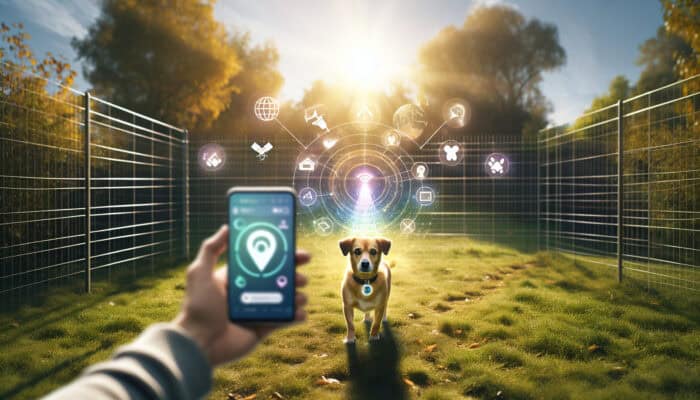
A GPS fence represents an innovative technological advancement that creates virtual barriers designed to keep your beloved pets safe within specific outdoor areas. This cutting-edge system utilises satellite signals to form invisible boundaries that prevent pets from wandering beyond predetermined limits. When pets approach these boundaries, the system sends instantaneous alerts to pet owners via mobile applications. This remarkable solution not only enhances the freedom pets experience outdoors but also prioritises their overall safety. The fundamental components of a GPS fence system include:
- A GPS collar or harness specifically designed with your pet’s comfort and safety in mind
- A base unit or transmitter that effectively communicates with the collar to ensure efficient monitoring
- A mobile application that offers real-time tracking and notifications for pet owners
- A charging station to keep the collar powered and functional
- User manual and support resources designed to assist with setup and troubleshooting
Essential Features to Consider When Choosing the Right GPS Fence for Your Pet’s Outdoor Area
Contemporary GPS fence systems boast an array of features tailored to meet the specific needs of pets while accommodating various yard configurations. These adaptable systems enable pet owners to customise the size and shape of the containment areas, making them suitable for a wide range of environments, from compact urban gardens to expansive rural properties. The inclusion of real-time tracking capabilities ensures precise location updates, allowing owners to maintain a vigilant watch over their pets’ movements. Furthermore, many systems are equipped with alerts that notify owners when their pets breach the boundaries, ensuring immediate action can be taken if necessary. This adaptability and comprehensive monitoring make GPS fences an excellent choice for pet owners who value both security and their pets’ freedom.
How Can You Determine the Most Appropriate GPS Fence System for Your Unique Requirements?
Selecting the right GPS fence system necessitates careful evaluation of several crucial factors to guarantee it meets your individual needs. Start by assessing the battery life of the collar; longer-lasting batteries reduce the frequency of recharging, thereby enhancing overall convenience for pet owners. Next, evaluate the system’s accuracy, as some models provide superior precision, which is essential for keeping your pet safely within the designated areas. Additionally, consider the user-friendliness of the system; an intuitive interface and straightforward installation process can significantly improve the user experience. By aligning these features with your pet’s behavioural patterns and the layout of your yard, you can identify a bespoke solution that effectively manages your pet’s safety.
What Are the Primary Benefits and Potential Drawbacks of Using GPS Fences?

The benefits of utilising GPS fences are considerable, greatly enhancing both the safety and freedom of your pets. With a virtual boundary in place, pets can roam freely within their environment without the risk of escaping, encouraging both physical activity and mental stimulation. However, it is vital to also acknowledge potential limitations. In rural or remote areas, signal loss can occur, leading to interruptions in monitoring capabilities. Additionally, certain systems may generate false alerts, which could cause unnecessary concern for pet owners. It is essential to weigh these factors against the convenience and cost-effectiveness that GPS fences provide, ensuring they align well with your pet’s lifestyle and your financial considerations.
How Does a GPS Fence Function to Ensure the Safety of Your Pet?
What Steps Are Required to Successfully Set Up a GPS Fence for Your Pets?
Establishing a GPS fence involves several systematic steps to ensure optimal performance and reliability. Initially, you must calibrate the device, which includes fully charging the collar and syncing it with the base unit to guarantee seamless communication. Following this, you will define the virtual perimeter using the mobile application, specifying the exact boundaries your pet is expected to adhere to. Testing alerts is a crucial step; this ensures that notifications are triggered accurately when your pet approaches the designated limits. By diligently following these steps, pet owners can create a smoothly functioning system for effective containment, resulting in a stress-free experience for both pets and their owners.
What Components Are Essential for a Functional GPS Fence System?
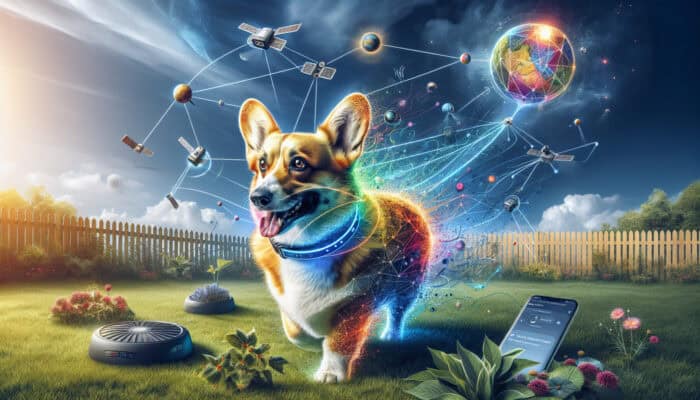
A fully operational GPS fence system consists of several key components that work cohesively to protect pets within designated areas. Critical elements include GPS-enabled collars or harnesses designed to fit your pet’s size and comfort, a base unit that facilitates communication between the collar and satellites, and a software application that allows for monitoring your pet’s activities and adjusting boundary settings. The collar functions as the primary device, delivering real-time location updates and alerts directly to pet owners. Ensuring compatibility and user-friendliness among these components is essential for the effective operation of the system and the establishment of a secure environment for pets.
What Common Challenges May Arise During Initial Setup and Usage of GPS Fences?
During the initial utilisation of a GPS fence, pet owners may encounter challenges that could influence the overall performance of the system. One prevalent issue is signal interference, which can lead to inaccurate location tracking or trigger false alerts. Furthermore, users might experience false alarms caused by environmental factors or incorrect system configurations. Resolving these challenges often requires adjusting the collar’s position or recalibrating the boundaries to optimise the system’s effectiveness. It is crucial to ensure that pets feel comfortable wearing the collar, as this can help reduce anxiety and facilitate a smoother transition to the new system.
Expert Strategies for Maximising the Effectiveness of GPS Fences in Your Pet Yard
What Techniques Can Enhance the Precision of Your GPS Fence System?
To improve the accuracy of your GPS fence system, implementing advanced strategies is essential. Regularly updating the software can resolve bugs and enhance functionality, ensuring the system remains cutting-edge. Additionally, fine-tuning settings such as boundary dimensions and sensitivity levels can significantly impact the reliability of alerts and overall monitoring performance. For example, users can calibrate the system to align with specific yard layouts for improved containment accuracy. Feedback from satisfied pet owners indicates that meticulous attention to these details fosters long-term effectiveness, resulting in happier and safer pets.
What Benefits Does Professional Installation of GPS Fences Provide?
Opting for professional installation of your GPS fence can offer numerous advantages that enhance the system’s overall performance. Experts possess extensive knowledge of the technology and understand the intricacies involved in proper system setup. A thorough installation significantly mitigates the risk of errors or malfunctions that could jeopardise your pet’s safety. Moreover, professionals can provide tailored insights based on your specific yard layout, ensuring optimal boundary definitions and precise calibration of the system. This level of expertise not only grants pet owners peace of mind but also maximises the effectiveness of the fence, ensuring that pets remain securely within their designated areas.
What Maintenance Practices Should Be Followed to Ensure Longevity of Your GPS Fence?
To maintain the performance of your GPS fence, regular maintenance is imperative. Experts recommend conducting routine checks to confirm that all components are functioning correctly, including monitoring the collar’s battery life and assessing the integrity of the base unit. Staying informed about software upgrades is equally critical, as these updates can introduce improvements and fixes that enhance overall reliability. Additionally, pet owners should periodically recalibrate the system to adapt to any changes in yard layout or landscaping, which can affect the accuracy of the virtual boundaries. By adhering to these maintenance guidelines, pet owners can ensure their GPS fence continues to provide a secure environment for their pets over the long term.
What Distinct Benefits Are Associated with GPS Fences for Pets?
How Do GPS Fences Enhance Freedom and Safety for Your Pets?
GPS fences significantly promote pet freedom by allowing animals to explore within designated boundaries while minimising the risk of escape. This flexibility encourages pets to engage in their natural behaviours, such as exploring their surroundings and obtaining necessary exercise, all without the need for constant supervision from their owners. The ability to set virtual boundaries empowers pet owners, ensuring their pets stay safe while enjoying the outdoors. Furthermore, the system’s alerts notify owners in real-time when their pets approach the limits, providing an added layer of security that traditional fences simply cannot offer.
Why Is GPS Fencing Considered a Superior Alternative to Conventional Fencing Solutions?
Choosing GPS fencing over traditional fencing offers several advantages that enhance pet management. This modern approach is inherently more versatile, allowing pet owners to define boundaries that can easily adapt to diverse environments, whether in urban settings or expansive rural locations. Unlike physical barriers, GPS systems do not obstruct views or necessitate significant landscaping alterations, thereby preserving the visual appeal of your yard. Additionally, instant alerts for boundary breaches provide an extra layer of security, ensuring pet owners can promptly respond if their pet ventures too close to the boundary.
What Impact Do GPS Fences Have on Pet Behaviour and Training?
Implementing GPS fences can positively influence pet behaviour by assisting animals in learning to respect boundaries. Many systems utilise gentle corrections through the collar to provide cues that encourage pets to remain within designated areas. This training method can lead to improved habits, as pets begin to associate certain areas with safety and comfort. Furthermore, reducing anxiety related to secure confinement can foster a healthier emotional state, resulting in calmer and better-adjusted pets. Over time, these systems can help establish improved behaviour patterns, ultimately strengthening the bond between pets and their owners.
How Do GPS Fences Integrate with Mobile Applications for Real-Time Monitoring of Pets?
Modern GPS fences seamlessly connect with mobile applications, allowing pet owners to track their pets’ locations in real-time. These applications typically feature user-friendly interfaces that enable owners to set custom alerts for boundary breaches, ensuring they receive immediate notifications if their furry companions stray too close to the limits. Moreover, these apps often monitor activity patterns, providing insights into pets’ behaviours and movements throughout the day. This level of connectivity enhances overall pet management, empowering owners to take proactive measures to ensure their pets’ safety and well-being.
Research-Backed Advantages of GPS Fences for Pet Yards
What Evidence Supports the Adoption of GPS Fence Technology?
A multitude of studies advocates for the implementation of GPS fencing technology, underscoring its positive impact on both pet retention and owner satisfaction. Research indicates that these systems effectively prevent accidents and reduce the likelihood of pets escaping, leading to fewer distressing situations for pet owners. To fully integrate this technology into everyday routines, pet owners should familiarise themselves with the system’s features and settings to maximise its advantages. By embracing these advancements, pet owners can enjoy heightened peace of mind, knowing their pets are safe and secure.
What Long-Term Benefits Can GPS Fences Provide for the Health and Welfare of Your Pets?
Long-term utilisation of GPS fences significantly enhances pet health and welfare by providing secure environments. Studies suggest that minimising the stress associated with potential escapes leads to improved health outcomes for pets. Enclosed spaces allow pets to feel secure, which can alleviate anxiety and behavioural issues often associated with fear of the unknown. Additionally, the freedom to explore designated areas encourages physical activity, further enhancing pets’ physical health. This combination of security and stimulation fosters a happier, healthier life for pets, ultimately reducing the need for veterinary interventions related to stress or anxiety.
How Can You Assess the Effectiveness of Your GPS Fence Setup?
To evaluate the effectiveness of your GPS fence setup, tracking usage data and observing your pet’s behaviour is essential. Pet owners should monitor the frequency and nature of boundary breaches, assessing whether the system accurately alerts them and how often pets come into contact with the limits. Additionally, collecting feedback regarding pets’ comfort with the collar and observing behavioural changes over time can provide valuable insights. Keeping a comprehensive record of these observations can help identify patterns and inform necessary adjustments to the system, ensuring it meets the specific needs of both the pet and the environment.
Is GPS Fencing Reliable for Daily Use?
What Factors Affect Their Performance in Diverse Conditions?
Several critical factors, including battery life and weather resistance, significantly influence the reliability of GPS fences during daily use. A collar’s battery must maintain sufficient power to ensure continuous operation; decreased battery levels can impair overall performance. Moreover, environmental conditions such as heavy rain, snow, or dense foliage can affect signal integrity and accuracy. Understanding these variables allows pet owners to proactively manage their systems, ensuring that pets remain safely contained regardless of the conditions they encounter.
How Do Software Updates Enhance Long-Term Reliability of GPS Fence Systems?
Regular software updates greatly improve the reliability of GPS fence systems over time. These updates typically include fixes for bugs, enhancements in accuracy, and the introduction of new features based on user feedback. Keeping the system updated ensures efficient and effective functionality while adapting to technological advancements that enhance performance. Moreover, updates can resolve compatibility issues with mobile applications, leading to a smoother overall experience for users and providing greater peace of mind regarding their pets’ safety.
What Potential Disadvantages Should You Consider When Using GPS Fences?
While GPS fences offer numerous advantages, potential drawbacks should also be acknowledged. Users may encounter compatibility issues, particularly when integrating new technology or devices into their existing systems. These challenges can often be mitigated by selecting well-reviewed products known for their compatibility and reliability. Furthermore, pet owners should recognise that not all systems are infallible; environmental factors may occasionally influence signal reception. By conducting thorough research and opting for reputable systems, these drawbacks can be minimised, ensuring a dependable and effective solution for pet containment.
How to Seamlessly Incorporate GPS Fences into Your Daily Pet Care Routine?
What Best Practices Should Be Followed for Effective Daily Monitoring of Your Pet?
To ensure your GPS fence remains effective, implementing best practices for daily monitoring is crucial. Pet owners should regularly check their mobile applications for updates on pet activity and boundary integrity, enabling proactive management of potential issues. Periodically reviewing settings and recalibrating boundaries based on changes in yard layout or pet behaviour can significantly enhance system performance. By establishing a consistent routine that incorporates these checks, pet owners can maintain a secure environment that adapts to their pets’ evolving needs.
How Can GPS Fences Be Complemented with Other Pet Training Techniques?
Integrating GPS fences with additional pet training techniques can lead to more effective reinforcement of boundaries. Positive reinforcement methods, such as rewarding pets for staying within limits or using treats to encourage desired behaviours, can complement the use of GPS technology. Further strategies may involve teaching basic commands that promote boundary respect and engaging in structured play sessions within the defined areas. By merging these techniques, pet owners can cultivate better behaviour patterns, resulting in a more harmonious relationship with their pets. Consider the following training strategies:
- Positive reinforcement for staying within boundaries
- Teaching basic commands (e.g., “stay” or “come”)
- Structured play sessions within the defined area to encourage exploration
- Gradual introduction of the collar to your pet for comfort
- Consistent training routines for optimal results and behaviour reinforcement
What Troubleshooting Techniques Can Resolve Common GPS Fence Issues?
When utilising a GPS fence, promptly addressing common issues is vital for maintaining an effective system. For instance, if signal loss occurs, consider repositioning the base unit to enhance reception or recalibrating the collar. In cases of collar malfunctions, checking the battery and ensuring a proper fit can often resolve the issue. Regular maintenance checks can help avert many problems; being vigilant about potential issues keeps pets safe and reduces stress for owners. By proactively troubleshooting, pet owners can ensure their systems remain reliable and effective.
Innovative Developments Transforming GPS Fence Technology for Pet Yards
What Cutting-Edge Features Are Emerging in the GPS Fence Market?
The realm of GPS fence technology is continually advancing, with new features emerging to enhance pet safety and usability. Recent innovations include the incorporation of artificial intelligence, which enables smarter alerts and automated adjustments to virtual boundaries based on your pet’s behaviour. Enhanced battery technology is also providing longer-lasting power, reducing the frequency of necessary recharges. Moreover, some systems now offer geofencing capabilities, allowing pet owners to establish multiple safe zones that can be adjusted according to daily routines. These advancements cater to the needs of modern pet owners, delivering greater reliability and convenience in managing pet safety.
How Do These Innovations Address Common User Concerns?
The introduction of new features in GPS fence systems effectively addresses many user concerns. Updated models focus on improving accuracy and usability, resolving prior limitations that may have affected user satisfaction. Enhanced software interfaces streamline installation, enabling even less tech-savvy pet owners to navigate the system with ease. Additionally, advancements target issues related to false alerts and signal interference through improved algorithms that better account for environmental factors. By prioritising user experience and addressing common pain points, these innovations promise a more seamless experience for pet owners.
Why Are Future Developments Crucial for Pet Owners?
Ongoing advancements in GPS fence technology are vital for pet owners, as they promise increased reliability and security. As these systems evolve to meet changing pet care needs, they are likely to introduce features that further simplify monitoring and enhance pet management. Future innovations may also provide deeper insights into pet behaviour, offering more tailored solutions for individual needs and enabling a greater understanding of pet habits. By staying informed about these developments, pet owners can make better decisions, ensuring their pets remain safe and well-cared for in an ever-evolving landscape.
FAQs: Your Questions About GPS Fences Answered
What is a GPS fence for pets?
A GPS fence for pets is a virtual boundary system that utilises satellite signals to keep pets within designated areas and alerts owners if they stray too close to the boundary.
Are GPS fences effective?
Yes, GPS fences are effective for providing pets with safety and freedom while allowing owners to monitor their locations and receive alerts for boundary breaches.
How do I set up a GPS fence?
Setting up a GPS fence involves calibrating the device, defining virtual perimeters through a mobile app, and testing alerts to ensure proper functionality.
What components are needed for a GPS fence system?
A typical GPS fence system requires a GPS-enabled collar, a base unit for communication, and a mobile app for monitoring and managing boundaries.
Can GPS fences work in rural areas?
Yes, GPS fences can function in rural areas, but signal strength may vary due to environmental factors. It is essential to check coverage and functionality in your specific location.
How do updates improve GPS fence systems?
Regular updates enhance GPS fence systems by fixing bugs, improving accuracy, and introducing new features that increase reliability and overall performance.
What are the drawbacks of GPS fences?
Potential drawbacks include signal loss in remote areas, false alerts, and compatibility issues, which can often be managed through proper selection and maintenance.
How do GPS fences impact pet behaviour?
GPS fences can positively influence pet behaviour by helping animals learn to respect boundaries through gentle corrections, leading to improved habits and reduced anxiety.
Can I combine GPS fences with other training methods?
Yes, combining GPS fences with positive reinforcement and basic training commands can reinforce the intended boundaries, leading to better behaviour in pets.
What innovations are emerging in GPS fence technology?
Emerging innovations in GPS fence technology include AI integration, enhanced battery life, and geofencing capabilities, all designed to improve pet safety and user experience.
Join Our Community on Facebook!
The Article GPS Fences For Pet Yards: Enhancing Pet Safety Outdoors First Published On https://elgatoencasa.com
The Article GPS Fences for Pet Yards: Boosting Outdoor Safety for Pets Was Found On https://limitsofstrategy.com
The Article GPS Fences for Pets: Enhancing Safety in Outdoor Spaces found first on https://electroquench.com